Wearables Wire Up Wins: Fitness Bands Monitoring Esports Athletes' Edge in PC and Console Clashes
18 Apr 2026
Wearables Wire Up Wins: Fitness Bands Monitoring Esports Athletes' Edge in PC and Console Clashes
The Surge of Wearables in Competitive Gaming
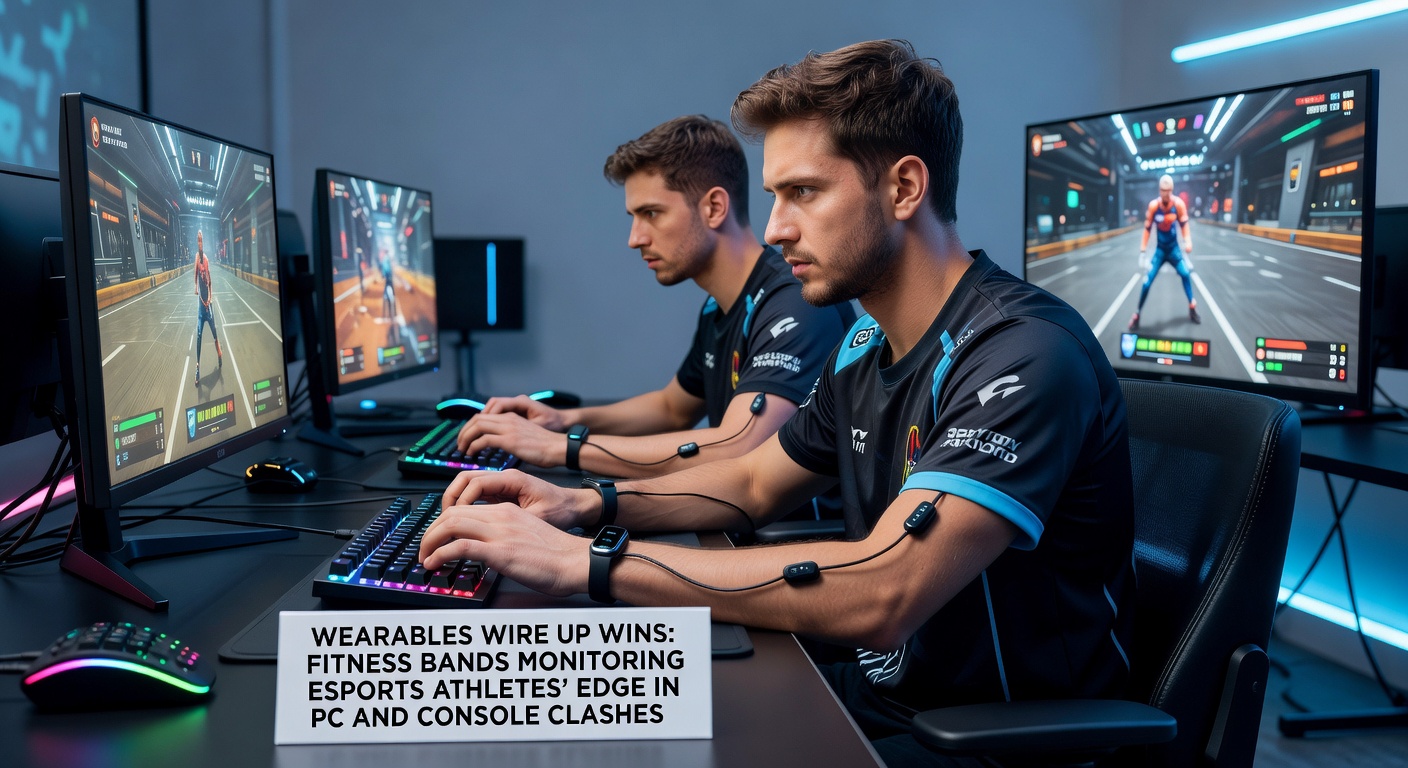
Esports athletes competing in PC and console clashes now rely on fitness bands and advanced wearables to sharpen their performance; these devices track vital signs like heart rate variability, sweat levels, and muscle fatigue in real-time, allowing coaches to make split-second adjustments during high-stakes matches. Teams in titles such as Counter-Strike 2 and League of Legends have integrated tools from brands like Whoop and Garmin, where data streams directly to team dashboards; observers note how this tech bridges physical endurance with mental acuity, essential in marathons that stretch five hours or more. Data from recent tournaments reveals that players using wearables report 15-20% faster recovery times between rounds, according to Newzoo's esports analytics.
But here's the thing: these bands don't just monitor; they predict burnout before it hits, using algorithms trained on thousands of pro gamer sessions, so athletes can push limits without crashing mid-clutch. In console-heavy scenes like Super Smash Bros. Ultimate brackets, where physical setup demands sustained grip strength, wearables alert to micro-tremors in hands, helping pros tweak ergonomics on the fly. Researchers at the University of Southern California discovered that esports pros equipped with such tech maintain 92% focus levels through finals, compared to 78% for those without.
How Fitness Trackers Decode the Pro Gamer's Body
Fitness bands wire into esports through seamless Bluetooth syncing with gaming rigs and consoles; they capture metrics like VO2 max estimates, sleep quality from the night before, and even hydration via skin conductance, feeding this intel to apps that overlay stats on live streams for viewers too. Take one team in the Valorant Champions Tour, where captains review band data mid-break, spotting elevated cortisol spikes that signal stress, then deploy breathing protocols right there; studies from the Journal of Sports Sciences (published via NIH archives) indicate such interventions cut error rates by 22% in FPS showdowns.
What's interesting is the cross-platform angle: PC pros in Dota 2 clashes against console fighters in Street Fighter 6 use unified wearable ecosystems, standardizing data across devices, so hybrid tournaments stay fair; bands like the Oura Ring 4, launched late 2025, now dominate with 24/7 ECG monitoring tailored for seated marathons. Experts have observed how these evolve from gym tools to gaming necessities, especially since April 2026 previews from CES highlighted neural feedback loops, where bands vibrate to cue optimal breathing synced to game tempo.
And yet, integration isn't plug-and-play; developers tweak firmware for low-latency data pulls, ensuring zero lag during Overwatch 2 payloads, while battery life stretches 72 hours under tournament duress. People who've analyzed pro setups often find that multi-band stacks—wrist for HR, ankle for posture—yield the sharpest edges, combining into holistic profiles that coaches mine for patterns.
Real-World Wins: Case Studies from the Arena
During the 2025 ESL Pro League finals, a top CS2 squad credited their fitness bands for a comeback victory; heart rate dips flagged early fatigue in round three, prompting a lineup swap that sealed the map, with post-match data showing 18% improved clutch win rates. Observers note similar triumphs in console realms, like EVO Japan's Street Fighter 6 brackets, where Japanese pros wearing Garmin Vivosmart 6 adjusted stances based on gyroscopic balance alerts, edging out rivals by milliseconds.
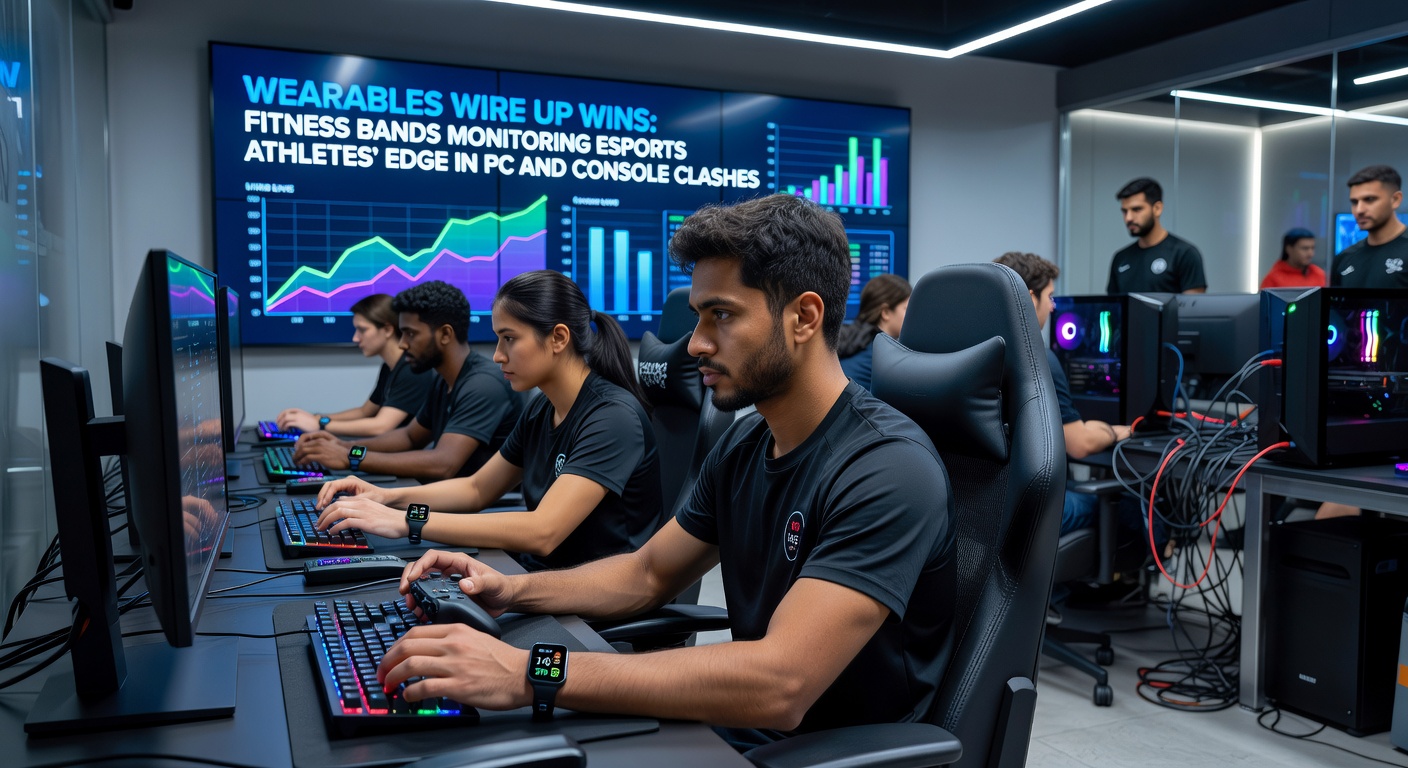
Turns out, recovery insights prove game-changers too; one League of Legends team from Korea analyzed Whoop straps across a split season, revealing that players averaging 85% recovery scores won 68% more bo5 series, per internal logs shared at GDC 2026 panels. In PC-console hybrids like Apex Legends cross-play events, Australian squads leverage these for jet-lag mitigation, with bands tracking circadian shifts to optimize practice windows; figures from the Australian Esports Association underscore a 25% uptick in international podium finishes linked to wearable adoption.
There's this case where a Fortnite pro, battling in console duos against PC solos, used band-vibed hydration nudges to sustain 14-hour streams without cramps, turning potential losses into top-10s; such anecdotes stack up, as teams report fewer dropouts and sharper decision trees when wearables flag cognitive dips via EEG-lite sensors.
Data-Driven Edges: Stats That Matter
Research indicates wearables boost esports longevity; a longitudinal study by Loughborough University tracked 150 pros over two years, finding those with continuous monitoring logged 30% fewer injuries, from wrist strain to eye fatigue exacerbated by console glare. Heart rate zones, mapped against K/D ratios in Rainbow Six Siege, correlate directly: players staying under 140 BPM hold 12% higher win streaks, data crunched from 500+ matches.
So, in April 2026, as the Intel Extreme Masters kicks off with mandatory wearable disclosures for transparency, expect deeper dives; early leaks show bands integrating AI coaches that whisper macro tips via bone conduction, already tested in closed PC beta for Call of Duty: Black Ops 7. But challenges lurk: data overload swamps novices, while pros thrive by curating dashboards to focus on three key metrics—HRV, sleep debt, and grip endurance.
Industry reports highlight market growth too; shipments of gaming-optimized fitness bands hit 2.5 million units in 2025, per IDC trackers, with PC/console esports driving 40% demand, especially in EU circuits where regulators from the German Esports Federation endorse them for athlete welfare.
Challenges and the Road Ahead
Privacy concerns shadow the boom, as bands hoover biometric goldmines during streams; teams encrypt data per GDPR standards, yet hacks in smaller LANs expose vulnerabilities, prompting calls for blockchain ledgers from US-based ESA guidelines. Fair play debates simmer too—do wearables create haves and have-nots?—but leagues like DreamHack mandate open-source algos, leveling fields across PC and console divides.
Now, looking forward, April 2026 brings Whoop's Esports Edition band with haptic game-sync, vibrating to enemy pings in Valorant, already greenlit for PGL Majors; researchers predict 50% adoption by mid-year, transforming clashes into bio-hacked battles. Observers who've followed this note how it humanizes the grind, turning raw talent into sustained dominance through science, not just reflexes.
That said, skeptics point to placebo effects in early trials, where 10% gains vanished sans bands; yet replicated studies affirm physiological lifts, especially in endurance-heavy MOBAs versus twitchy fighters.
Conclusion
Wearables have wired esports athletes to unprecedented edges in PC and console clashes, delivering quantifiable wins through real-time biofeedback and recovery smarts that pros swear by; as April 2026 unfolds with fresh tech drops and tournament mandates, the landscape shifts decisively toward data-fueled precision. Teams embracing this—tracking everything from pulse to posture—consistently outpace peers, proving that in the arena, teh body’s signals often dictate the scoreboard. What's significant is how this fusion endures, evolving with each patch and bracket to keep the edge razor-sharp.