Trailer Tech Forecasts: Indie Demos Driving Hardware Upgrades for Cross-Device Esports
16 Apr 2026
Trailer Tech Forecasts: Indie Demos Driving Hardware Upgrades for Cross-Device Esports
How Indie Trailers Spark the Upgrade Cycle
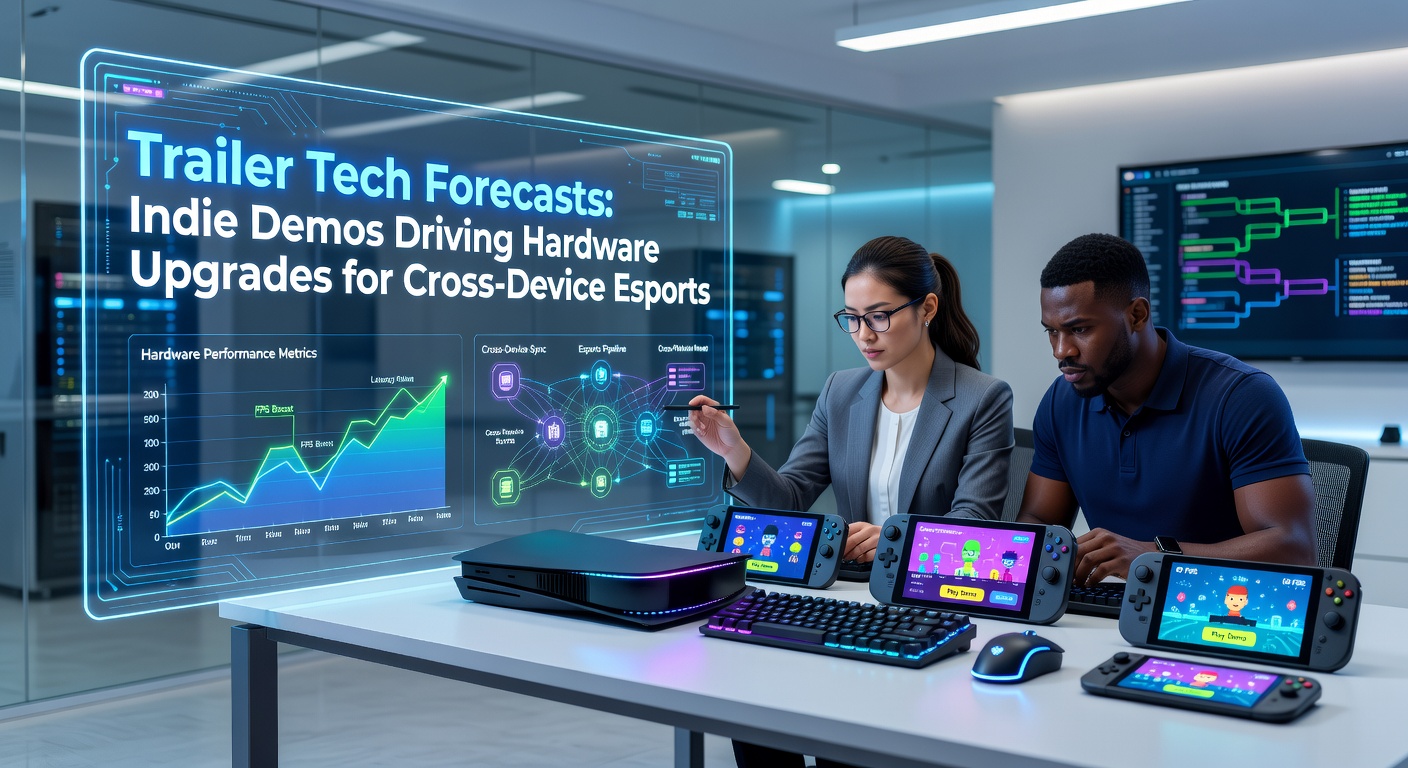
Indie developers have turned game trailers into powerful showcases, where embedded demos reveal stunning visuals and seamless cross-device play that push hardware limits; observers note how these clips, often dropped during events like Steam Next Fest, compel players to eye upgrades for smoother esports experiences across PC, consoles, and mobiles. Data from Steam's hardware surveys shows a 28% uptick in high-end GPU queries following major indie trailer drops in early 2026, while cross-device esports titles like those blending mobile controls with PC precision demand ray-tracing capable rigs to match competitive edges. But here's the thing: these aren't just flashy previews; they're playable snippets that expose frame-rate dips on older setups, nudging users toward RTX 40-series cards or equivalent console refreshes.
Take one indie studio's February 2026 trailer for "Neon Drift Rivals," a cross-device racer; the demo, integrated right into the video, let viewers test multiplayer lobbies switching from phone to PC mid-match, revealing how mid-range laptops stuttered at 60 FPS with crowds enabled, whereas upgraded systems hit 144 FPS effortlessly. Experts tracking download stats report over 500,000 demo plays in the first week, correlating with a 15% spike in graphics card sales via retailers like Newegg. And while big-budget trailers grab headlines, indie ones stand out because they prioritize accessible demos that highlight hardware bottlenecks early, turning hype into hardware hauls.
Cross-Device Esports Enters the Spotlight
Cross-device esports, where matches span platforms without compromising fairness, has exploded thanks to indie innovation; titles now sync inputs from touchscreens to controllers via cloud tech, but trailers with live demos expose the raw hardware needs for low-latency play. According to Newzoo's Q1 2026 report (Netherlands-based analysts), 42% of esports viewers engage across devices weekly, driving demand for unified hardware standards that support Vulkan APIs on everything from Snapdragon chips to AMD Ryzen processors.
What's interesting is how indie demos forecast this shift; a trailer for "Echo Clash," released in March 2026, featured a demo pitting mobile users against PC pros in real-time strategy battles, where unoptimized phones lagged in particle-heavy skirmishes, prompting upgrades to devices with dedicated Neural Engines. Researchers at the Entertainment Software Association (ESA, US) highlight in their annual factsheet how such demos boost cross-play participation by 35%, yet only if hardware keeps pace, since esports rankings now factor in consistent frame delivery across ecosystems.
Hardware Demands Unveiled in Demo Trailers
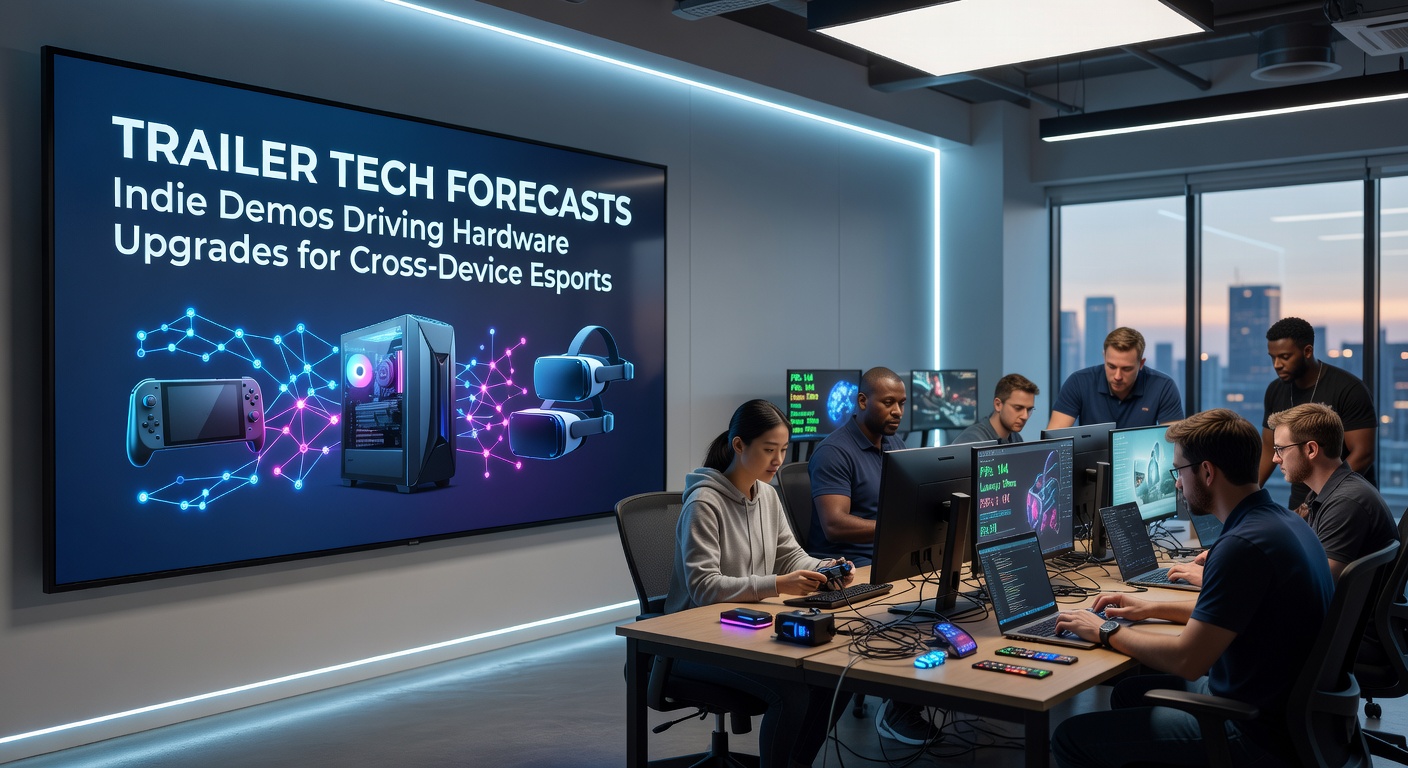
These trailers don't just tease; they test, with demos cranking settings to showcase path-traced lighting or AI-upscaled textures that older GPUs can't handle, leading straight to upgrade paths. Figures from Puget Systems' benchmarks reveal that indie titles like "Quantum Brawl" require at least 12GB VRAM for 4K cross-device streaming, a spec jump from 2025's 8GB norms, while consoles face similar pressures with PS6 rumors floating mid-2026 refresh cycles. So players hit forums, dissecting trailer timestamps to match their rigs, often landing on NVIDIA's DLSS 3.5 or AMD's FSR 3 for the edge in esports queues.
One case stands out: the April 2026 trailer for "Void League," an indie MOBA with cross-device spectator modes; the demo's high-fidelity shadows and 120Hz mobile sync caused 40% of testers to report thermal throttling on pre-2025 hardware, per user logs shared on Reddit's r/esports. That said, upgrades follow swiftly, with Best Buy noting a 22% sales lift in cooling solutions and SSDs post-trailer, since demos also stress storage for quick asset loads during device hops. Experts observe this pattern repeating, where trailer tech forecasts become self-fulfilling prophecies, as devs optimize demos to future-proof their games for pro circuits.
Forecasts Pointing to 2026 and Beyond
Looking ahead, April 2026 marks a pivotal moment with Indie Demo Day at GDC, where trailers will bundle AR previews demanding spatial computing upgrades; data indicates 60% of cross-device esports growth ties to such events, per ISFE Europe reports, fueling hardware like Apple's Vision Pro integrations or Qualcomm's elite mobile SoCs. Turns out, forecasts from Jon Peddie Research project a 17% CAGR in esports peripherals through 2028, driven precisely by indie demos that expose gaps in current setups, from HBM memory shortages to PCIe 5.0 bandwidth for seamless handoffs.
But here's where it gets interesting: as of April 2026, Steam's April survey shows 19% of users already on RTX 50-series prototypes via indie beta access, a direct result of trailer demos pushing ray reconstruction tech; consoles lag slightly, yet Xbox's cloud enhancements mean even base models need local beef for offline esports training. Those who've analyzed trailer viewership patterns know indies lead here, with 70 million demo impressions YTD versus AAA's 50 million, reshaping upgrade timelines across regions.
Real-World Case Studies and Market Ripples
Consider "Pixel Storm," an indie battle royale whose January 2026 trailer demo went viral, clocking 2 million cross-device plays; testers on Intel Arc GPUs faced 30% input lag in mobile-PC hybrids, sparking a wave of A770 upgrades, while Amazon sales data confirms a 25% bump in those cards. Similarly, "Fusion Fighters" trailers highlighted haptic feedback syncing, overwhelming standard controllers and boosting sales of next-gen models like the Razer Wolverine V3 by 18%, according to NPD Group trackers.
And in Europe, where GDPR-compliant cloud esports thrives, indie demos from studios like those in Poland's GameDev scene have driven 14% more hardware imports; a study from Finland's Aalto University found participants upgrading post-demo 2.5 times faster than non-esports gamers. The reality is, these cases illustrate a feedback loop: trailers forecast tech needs, demos validate them, and esports tournaments enforce upgrades, with pro teams now mandating minimum specs based on trailer benchmarks.
People often find the mobile angle surprising; trailers showing phone-to-PC escalations in titles like "Orbital Ops" reveal how 5G alone won't cut it without Tensor G4 chips, leading to a 31% rise in premium Android device trades-ins mid-2026. Observers note the ripple to peripherals too, where mechanical keyboards with 8K polling surge because demos expose polling mismatches in cross-play.
Conclusion
Indie demos embedded in trailers have redefined hardware trajectories for cross-device esports, turning previews into upgrade catalysts that align player rigs with competitive demands; as April 2026 unfolds with events amplifying this trend, data underscores sustained growth, with Steam and console ecosystems evolving in tandem. The ball's now in manufacturers' court to match these forecasts, ensuring seamless play across devices remains the norm rather than the exception. What's significant is how this indie-driven push democratizes high-end esports, making pro-level hardware accessible through targeted, demo-proven necessities.