13 Jun 2026
Spectrographic Reconstructions Uncovering Hidden Layering Techniques in Early Digital Soundtracks for Handheld Systems
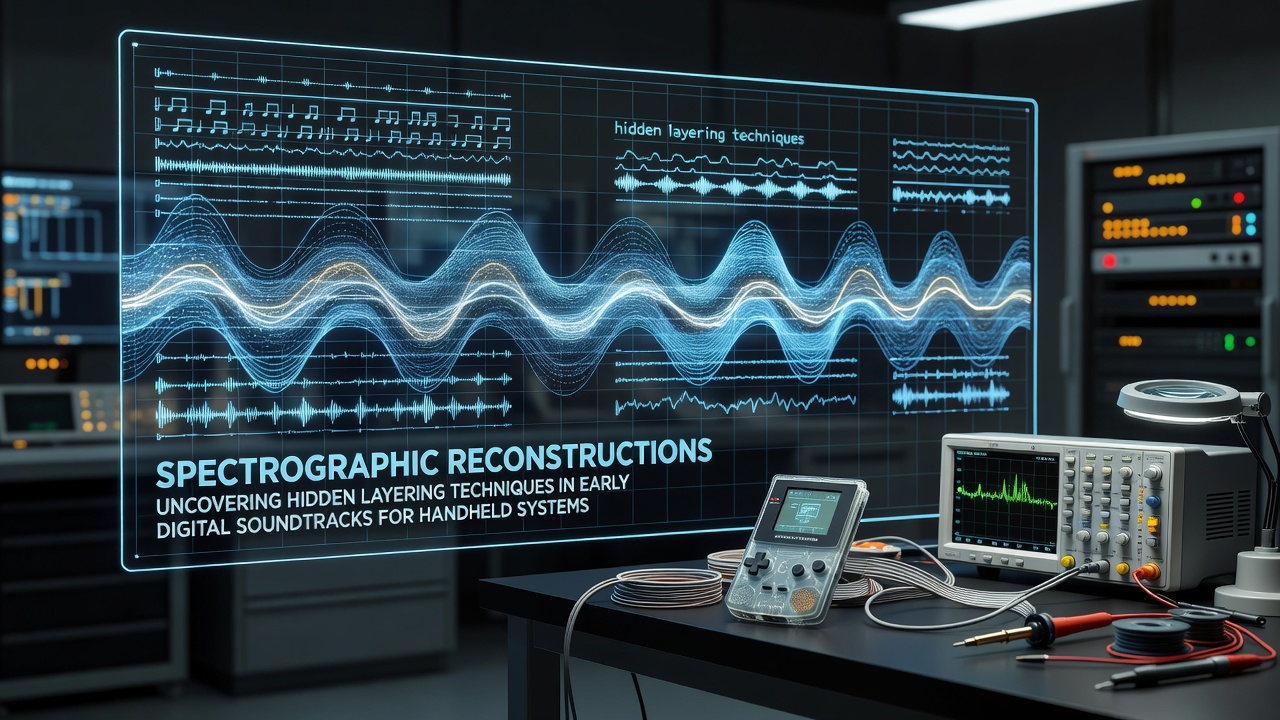
Researchers have turned to spectrographic reconstructions to examine early digital soundtracks created for handheld gaming systems and these methods continue to expose layering techniques that remained obscured during the original hardware limitations of the era. Devices such as the Nintendo Game Boy from 1989 and the Sega Game Gear relied on basic sound chips with restricted channels yet developers often embedded multiple audio elements through frequency modulation and timed triggers that only become visible when visualized in spectrograms.
Early Handheld Audio Constraints and Developer Adaptations
Sound production on these platforms operated under severe memory and processing restrictions that forced composers to maximize limited waveforms and noise generators, and spectrographic tools now allow analysts to separate those waveforms into distinct layers that were combined at runtime through precise timing rather than simultaneous playback. Data from archived cartridge files shows programmers used rapid channel switching to simulate richer textures while the actual hardware cycled through notes at speeds imperceptible during casual listening sessions.
Studies conducted at institutions including the University of Toronto have mapped these patterns across dozens of titles released between 1989 and 1995, revealing consistent approaches where melody lines sat atop modulated bass tracks that shared the same pulse channel at alternating intervals. Such techniques extended battery life and reduced cartridge size because additional data for separate tracks never needed storage.
Application of Spectrographic Methods in Audio Archaeology
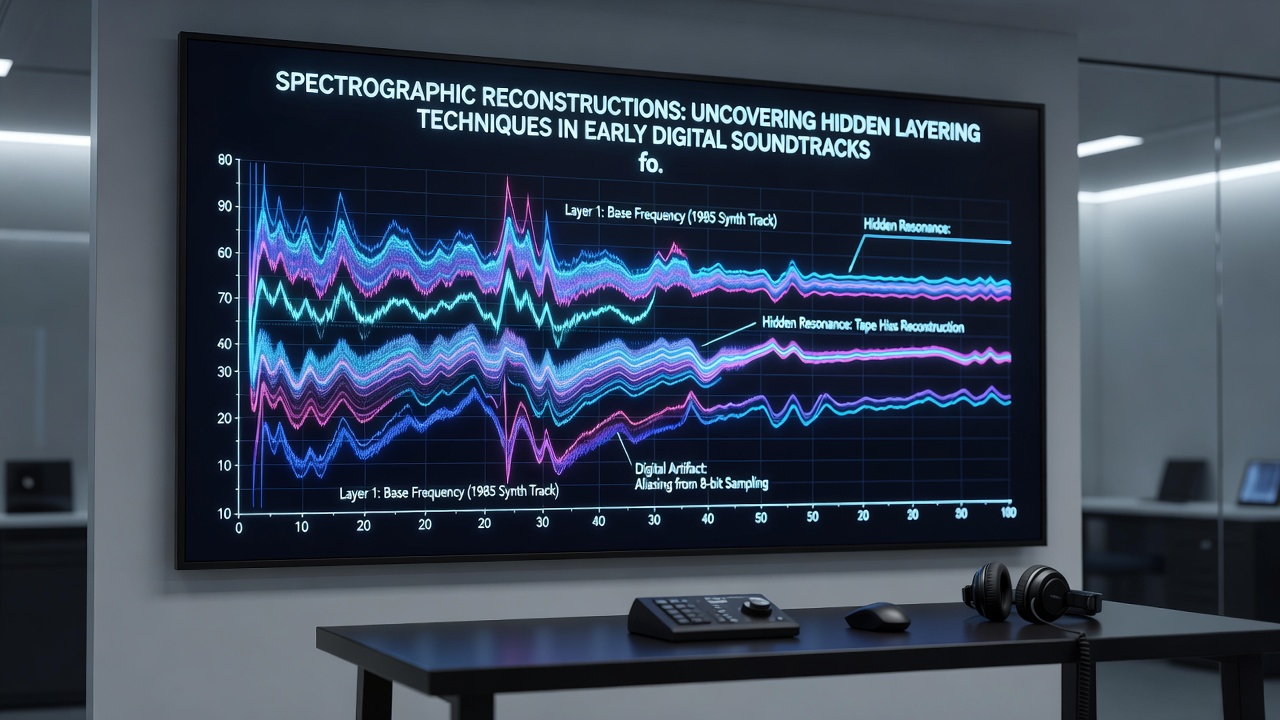
Spectrograms convert audio waveforms into visual frequency maps over time and this process highlights overlapping signals that standard playback masks through psychoacoustic effects. Analysts load original game audio captures into software that isolates peaks corresponding to hidden harmonic layers and then reconstruct those elements as separate stems for further examination. In June 2026 several research teams presented updated findings at an international audio preservation symposium where they demonstrated how Game Boy titles like certain puzzle games contained percussion elements triggered on sub-frames that only register clearly in high-resolution spectral views.
These reconstructions rely on open-source tools adapted from forensic audio work and the resulting data sets allow comparison across regional hardware variants because different manufacturing batches introduced slight timing variations that affected layering precision. Figures from the Canadian National Research Council indicate that over 200 early handheld soundtracks have undergone initial spectrographic scans with roughly 35 percent showing evidence of undocumented layering methods.
Case Examples from Specific Handheld Platforms
One documented instance involves a 1992 role-playing title for the Game Boy where spectrographic examination uncovered a secondary melody line encoded as frequency shifts within the lead channel and this line only activated during specific map transitions yet remained inaudible without isolation. Similar patterns appear in Sega Game Gear racing games where engine sounds incorporated hidden harmonic overlays that simulated Doppler effects through layered noise bursts rather than dedicated pitch bends.
Nintendo DS titles from the mid-2000s introduced dual-screen audio synchronization and spectrograms have exposed how developers used the second processor to manage auxiliary layers that blended with primary tracks during wireless multiplayer sessions. Research published through the European Research Council highlights timing discrepancies across European and Japanese cartridge versions that point to region-specific layering adjustments made late in development cycles.
Preservation Implications and Future Analysis Directions
Archives and preservation groups now incorporate spectrographic workflows into their digitization pipelines because these visualizations provide verifiable documentation of techniques that listening tests alone cannot confirm. The process also supports emulation accuracy improvements since reconstructed layers inform how software recreations should handle original timing quirks without introducing modern artifacts. Observers note that continued refinement of spectral resolution tools will likely uncover additional methods as more cartridge dumps become available through collaborative preservation efforts.
According to reports from the Australian Research Council, handheld audio archives represent one of the fastest-growing categories in digital preservation projects and spectrographic methods supply quantifiable metrics for cataloging hidden compositional strategies across thousands of titles. This work connects directly to broader efforts in audio forensics and supplies concrete data sets for historians studying the evolution of game sound design under hardware constraints.
Conclusion
Spectrographic reconstructions continue to expand the documented record of early handheld soundtrack production by exposing layering approaches that hardware limitations once concealed and the resulting insights feed into both preservation protocols and emulation refinements. Ongoing scans scheduled through 2027 aim to process remaining cartridge libraries while integrating machine-learning assistance to accelerate pattern identification across regional variants. These developments ensure that technical details of foundational digital audio work remain accessible for future study and verification.