8 Jun 2026
Peripheral Pulse Rates: Tracking Controller Vibration Patterns to Analyze Tension Spikes During Speedrun Attempts on Classic Console Emulators
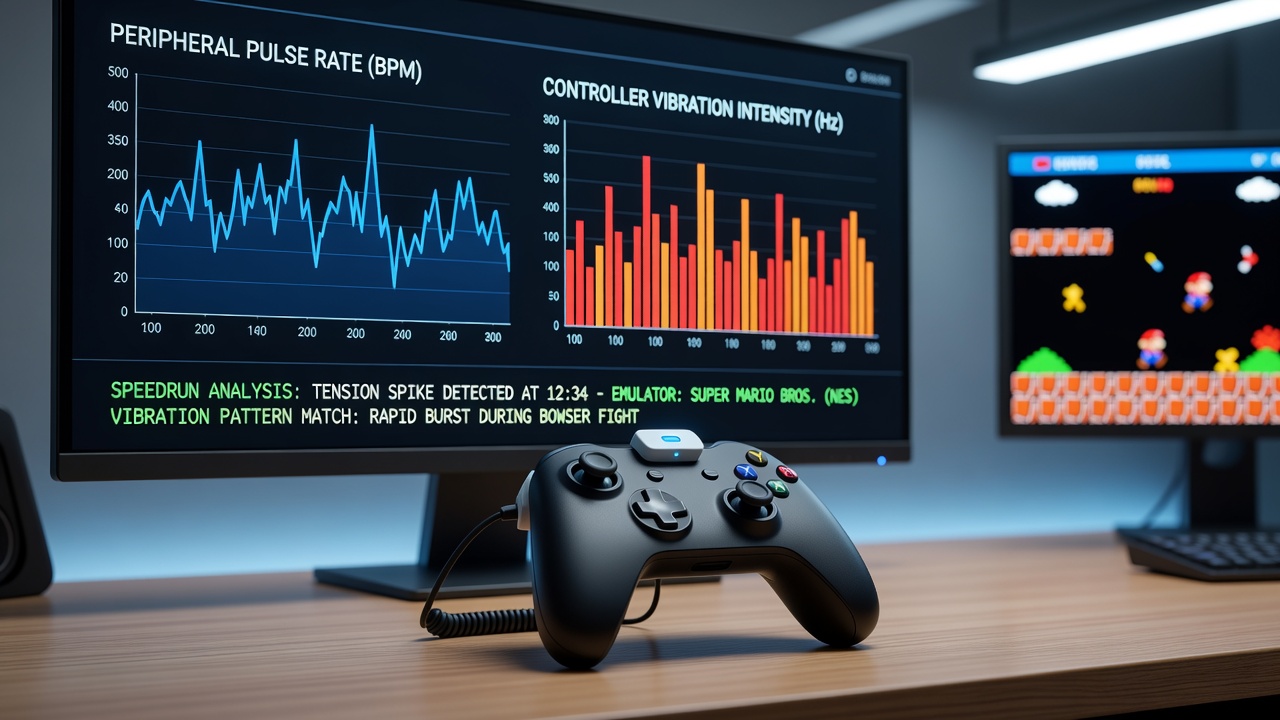
Speedrunners tackling classic console titles on emulators have started incorporating data from controller vibration motors alongside peripheral pulse monitoring to identify tension spikes during high-stakes attempts, and this approach draws from established techniques in performance analysis that researchers have refined over recent years.
How Controller Vibrations Reveal Performance Patterns
Classic console emulators replicate rumble feedback from original hardware through modern controllers, yet the underlying motor activations create measurable patterns that correlate with player stress responses when synchronized with heart rate data from wearable devices, and data from multiple speedrun sessions shows distinct vibration sequences during segments where precision timing demands increase significantly.
Observers note that vibration intensity and frequency shift in response to in-game events such as boss encounters or platforming sequences, while pulse rate trackers capture corresponding physiological changes that allow analysts to map tension points without relying solely on subjective recall from participants.
Integration of Pulse Monitoring with Emulator Data Streams
Emulation software like those supporting Nintendo 64 and PlayStation titles now exports controller input logs that include rumble commands, and when paired with peripheral pulse sensors these logs enable frame-accurate correlation between physical controller feedback and cardiovascular indicators, according to findings presented at the 2025 International Conference on Gaming Technology.
Speedrun communities have adopted open-source tools that timestamp both vibration events and pulse readings, which creates datasets that reveal how tension builds during repeated failed attempts on the same section of a game, and this method has gained traction since early 2025 when several prominent runners began publishing their combined telemetry files publicly.
Case Applications in Classic Title Speedruns
One documented project tracked participants attempting Super Mario 64 on Project64 emulator setups, where vibration spikes aligned with pulse elevations above baseline during the Tick Tock Clock level navigation, and similar patterns emerged in Castlevania: Symphony of the Night runs on DuckStation when players approached the inverted castle transitions.
Researchers at the University of Melbourne have examined aggregated data from these sessions, which demonstrates that vibration pattern analysis can flag moments where players exhibit sustained tension even after mechanical execution improves, and such insights help coaches adjust training regimens for upcoming events scheduled through June 2026.
Technical Considerations for Data Collection
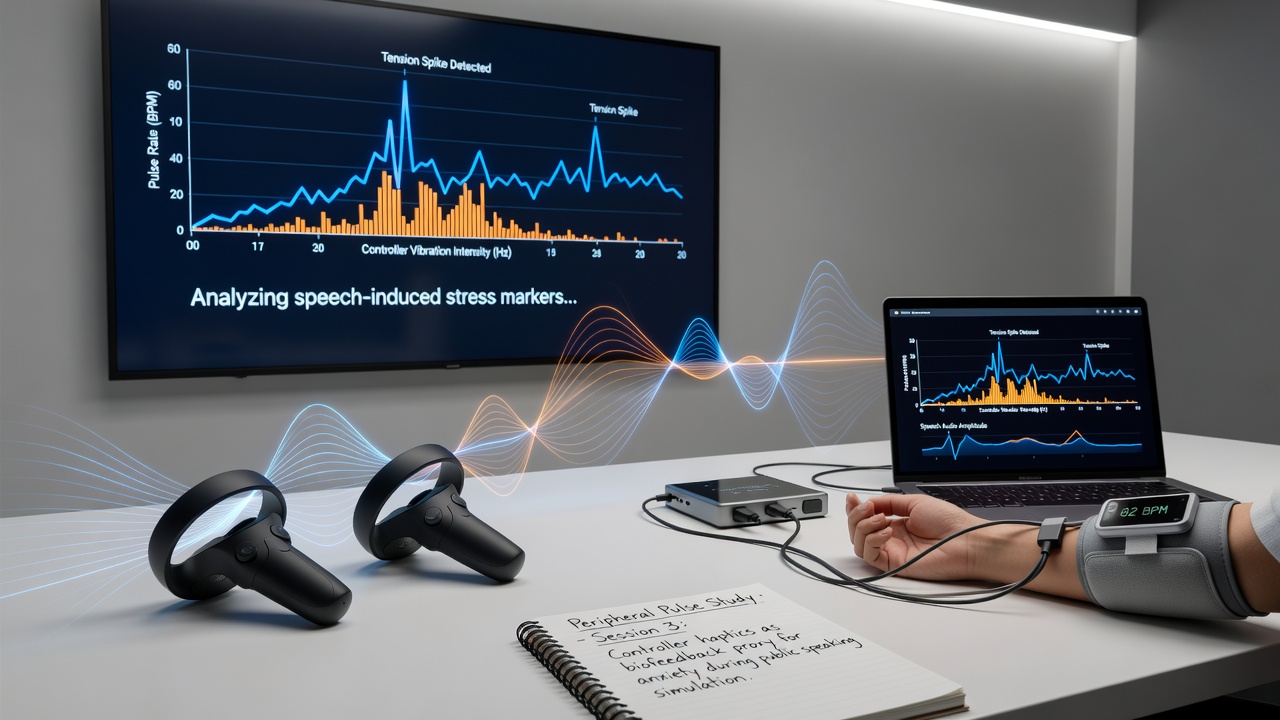
Emulators must maintain accurate timing for rumble commands to ensure vibration data aligns properly with pulse streams, while hardware variations in controller motors across different brands introduce calibration requirements that communities address through standardized testing protocols before each recording session, and analysts cross-reference these logs against in-game frame data to isolate external factors.
Hardware interfaces that capture pulse information at consistent intervals allow for statistical modeling of tension thresholds, yet compatibility issues arise when switching between emulator versions or operating systems, and groups focused on preservation have released documentation outlining best practices for maintaining data integrity across platforms.
Community Adoption and Shared Resources
Speedrun forums host repositories where participants upload anonymized datasets from their sessions, which enables comparative studies across different classic titles and reveals common tension points that recur regardless of the specific game mechanics involved, and this collaborative approach has accelerated the refinement of analysis scripts since mid-2025.
Those examining the datasets often identify correlations between prolonged vibration bursts and elevated pulse variability that persist even in successful runs, which provides objective markers for evaluating recovery between attempts and informs equipment adjustments such as controller grip modifications.
Future Directions in Performance Tracking
Developments scheduled for rollout by June 2026 include enhanced emulator plugins that stream vibration and pulse data in real time to overlay displays during live attempts, and industry reports from the Entertainment Software Association indicate growing interest in these tools among competitive gaming organizers seeking standardized metrics for event qualification.
Additional research partnerships between academic institutions and emulation preservation projects continue to expand the available datasets, which supports more granular analysis of how tension patterns evolve over extended practice periods on legacy hardware reproductions.
Conclusion
Tracking peripheral pulse rates through controller vibration patterns offers speedrunners and analysts a concrete method for examining tension dynamics during emulator-based attempts on classic consoles, and the expanding collection of shared telemetry continues to support advancements in both training methodologies and technical tooling as the practice matures into 2026.