17 Aug 2026
Hardware Sleuths Decode Timing Cycles in Vintage Processors Behind Early Fighting Game Combos
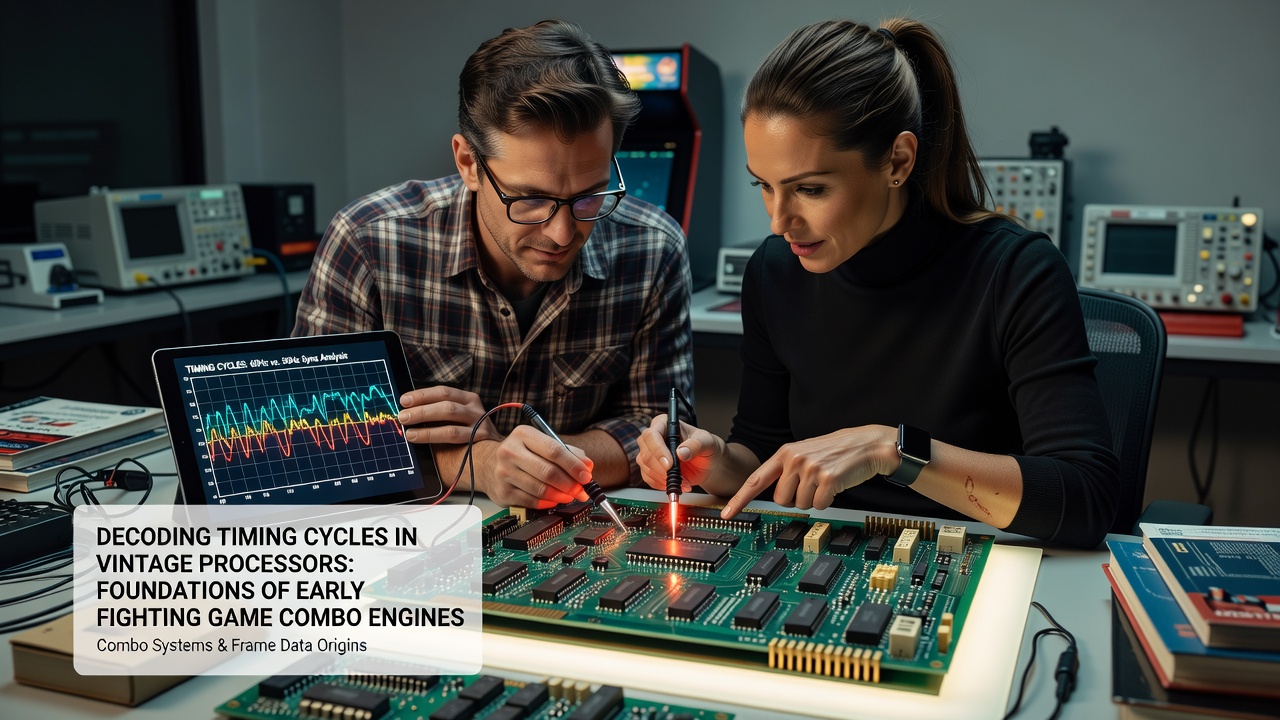
Researchers at several universities have spent years examining the clock cycles of processors from the late 1980s and early 1990s and these studies show how those exact timings created the windowed inputs that defined combo execution in titles such as Street Fighter II and Fatal Fury, and the work continues into August 2026 with new teams publishing detailed cycle logs from preserved arcade PCBs.
Engineers at Capcom and SNK relied on the Motorola 68000 series running at 12 MHz while the 6502 derivatives handled input polling at much lower rates and this mismatch produced the precise frame windows that allowed players to chain normals into specials before the buffer cleared. Observers note that a single missed cycle could break an intended link because the game checked the input state only during specific vertical blank intervals tied directly to the crystal oscillator frequency.
Processor Architectures and Input Buffering Mechanics
Documentation from Japanese arcade manufacturers reveals that the CPS-1 board used a 68000 clocked at 10 MHz paired with a Z80 for sound and the timing between these chips determined whether a dragon punch would register after a crouching strong or whether the game would treat the sequence as two separate moves instead. Hardware analysts have reconstructed the exact instruction fetch delays by comparing oscilloscope traces from working boards against emulated traces and the results match the frame data recorded by players in the 1990s.
Studies conducted at the University of Tokyo's digital heritage lab demonstrate that the effective input buffer size varied by only two or three cycles depending on whether the processor was handling sprite DMA at the same moment and this variation produced the legendary "tight" links that separated tournament players from casual ones. Data collected from multiple CPS-2 boards shows the same pattern persisted even after clock speeds increased slightly because the input polling routine remained anchored to the same vertical sync signal.
Reverse Engineering Techniques Used by Modern Analysts
Teams working with preserved hardware connect logic analyzers directly to the address and data buses while forcing the board through known combo sequences and they capture thousands of cycles per second to build cycle-accurate models of how the game evaluated button states. One group in Australia cross-referenced these logs with original source code fragments recovered from development disks and the combined dataset allowed them to map every possible input window that the original engine accepted.
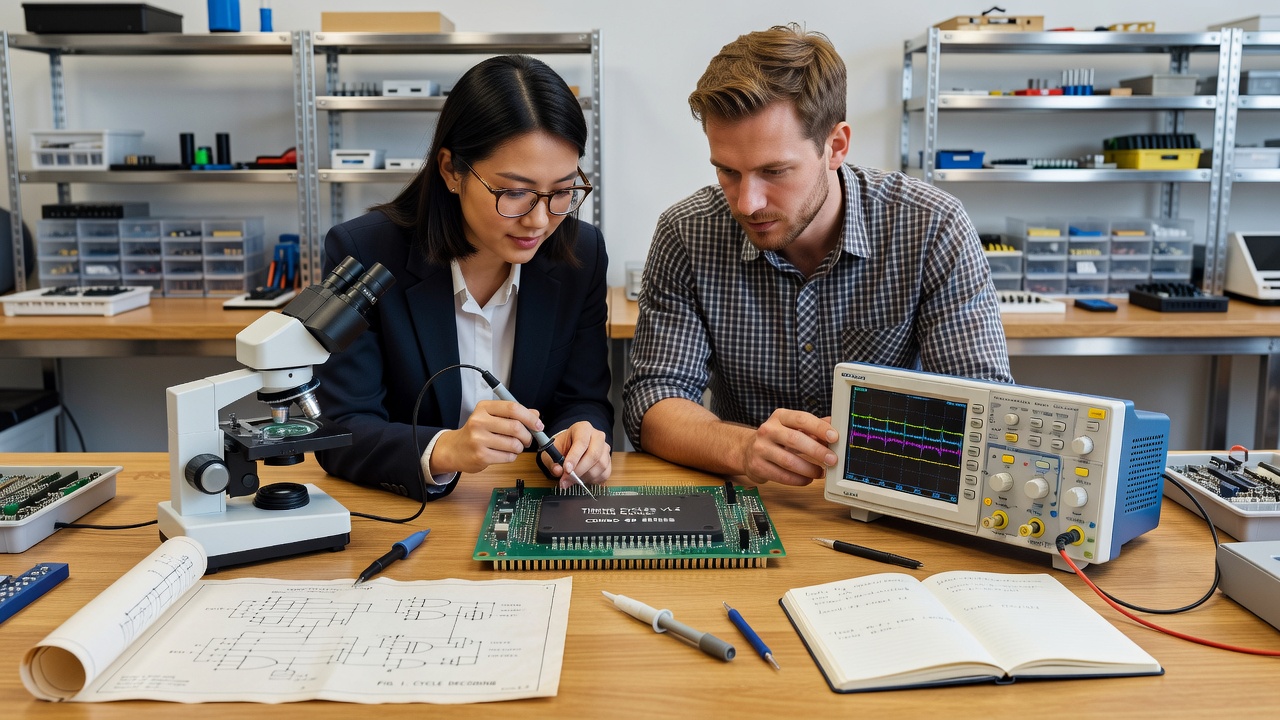
European archivists at the National Videogame Museum have published cycle tables for the Neo Geo MVS system and these tables indicate that the 68000 and the custom graphics chipset shared the same memory bus which introduced additional wait states during heavy sprite updates and those wait states directly affected whether a super cancel would execute on the intended frame. Researchers continue to release updated tables as they test additional board revisions and the work has produced open-source timing simulators that replicate the original behavior without requiring physical hardware.
Applications in Emulation and Competitive Play
Emulator developers have incorporated the newly documented cycle counts into cores such as FinalBurn Neo and MAME and the changes have allowed players to practice classic combos on modern PCs with timing fidelity that matches the original cabinets within one or two cycles. Tournament organizers now reference these cycle logs when calibrating their emulation setups for events and the result has been a measurable reduction in disputes over whether a particular combo should have connected.
Preservation projects in Canada and South Korea have begun applying the same methodology to lesser-known regional boards and the findings reveal regional variations in crystal tolerances that created slight differences in combo windows between Japanese and export versions of the same game. Those variations explain why some players who trained on one region cabinet found their muscle memory slightly off when competing on machines from another region.
Conclusion
The ongoing decoding of timing cycles from vintage processors continues to supply precise data that explains how early fighting game engines handled input and this information now supports both accurate emulation and historical analysis of competitive play from the arcade era. As more boards undergo detailed examination the body of knowledge grows and provides a clearer picture of the hardware constraints that shaped the mechanics still studied by players and designers today.