20 Jun 2026
Glitch Economies: How Early Exploit Discoveries Shaped Trading Systems in Persistent World Simulations
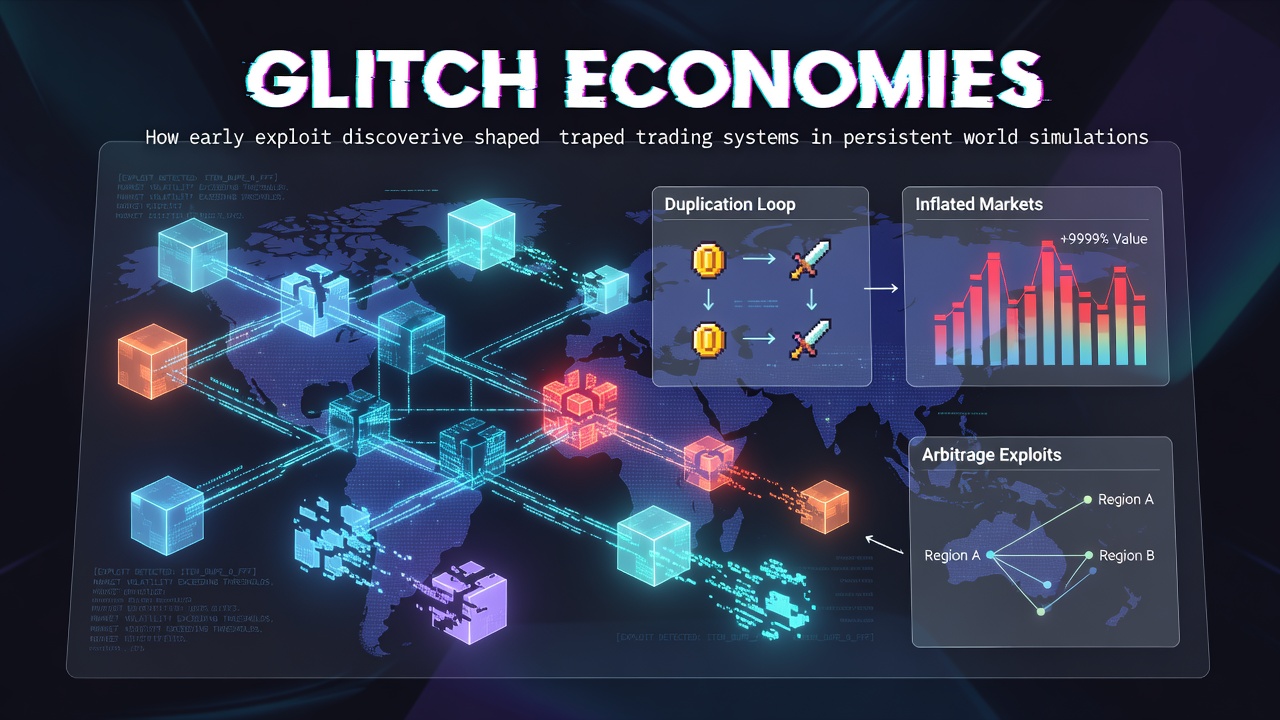
Persistent world simulations developed trading systems that responded directly to exploit discoveries from the earliest days of online multiplayer environments, and researchers tracking these changes note how initial glitches forced developers to redesign core mechanics around item exchange, currency flows, and player interactions. Data from archived server logs in titles such as Ultima Online reveals that duplication exploits allowed unlimited item creation which inflated virtual economies rapidly, prompting the introduction of trade windows with confirmation steps and binding flags on rare objects by the late 1990s.
Initial Exploit Patterns in Foundational Simulations
Observers studying early persistent worlds document how players identified memory manipulation techniques that duplicated stacks of gold or equipment, and these findings spread through community forums leading to widespread economic disruption within months of launch. According to reports compiled by game historians at institutions focused on digital culture, such as those associated with Australian National University research groups, these events established patterns where unchecked glitches triggered immediate server resets followed by permanent alterations to backend verification protocols.
Developers responded by implementing client-server reconciliation checks that verified item states during transfers, while data shows that games released after 2000 incorporated these safeguards from initial design phases rather than retrofitting them later. This shift reduced duplication incidents yet created new avenues for market manipulation through coordinated player actions that exploited timing delays in trade confirmations.
Evolution of Secure Exchange Mechanisms
Trading systems adapted through layered authentication processes including two-party consent requirements and automated audit trails that logged every exchange, and figures from industry analyses indicate these measures stabilized virtual currency values over extended periods in simulations like EverQuest. Those who examined code fragments from defunct early servers note that anti-duplication scripts evolved into broader anti-cheat frameworks that monitored for anomalous transaction volumes.
Yet problems persisted as players discovered workarounds involving zone transitions or logout sequences during trades, which led to further refinements such as region-locked inventories in subsequent titles. Research indicates that by the mid-2000s, persistent world operators had integrated real-time anomaly detection algorithms that flagged suspicious patterns before they could cascade into full economic imbalances.
Player-Driven Adaptations and Market Structures
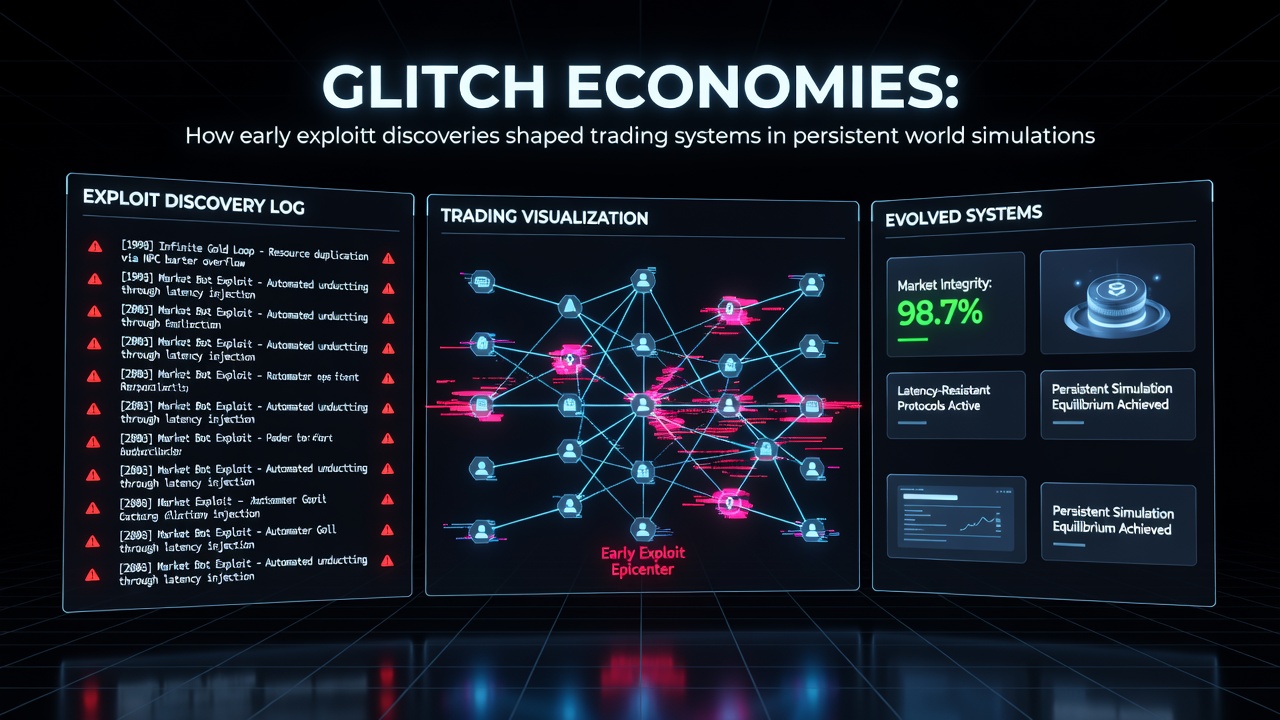
Communities adapted by creating informal verification networks where trusted intermediaries facilitated high-value trades outside automated systems, and evidence from player migration studies between servers demonstrates how these practices influenced official design choices toward player-to-player auction houses with escrow features. Data compiled through 2025 shows that simulations updated in preparation for June 2026 expansions incorporated predictive models based on historical exploit data to preempt similar issues during content releases.
Persistent worlds now employ dynamic pricing algorithms that adjust based on detected trade anomalies, while external reports from Canadian research consortia on virtual asset management highlight how early glitch responses contributed to standardized practices across multiple platforms. These systems track item provenance through blockchain-like ledgers in newer implementations, reducing the viability of legacy duplication methods that once dominated underground economies.
Long-Term Impacts on Simulation Design
Architects of modern persistent simulations reference early exploit cases when building trade interfaces, resulting in features such as temporary trade cooldowns and cross-account verification that address both technical glitches and social engineering tactics. Studies from European digital economy observatories reveal correlations between the timing of exploit discoveries and subsequent spikes in player retention when trading security improved noticeably.
And yet the cycle continues as emerging simulations introduce novel mechanics like cross-world item portability, which reintroduces risks that echo those from foundational titles. Historical records indicate that each new layer of protection spawns corresponding player innovations in circumvention, sustaining an ongoing dialogue between design intent and emergent behaviors within these environments.
Conclusion
Glitch economies in persistent world simulations continue to inform trading system architecture through accumulated lessons from decades of exploit discoveries, and ongoing data collection up to June 2026 underscores how foundational responses established templates still in use today. These developments demonstrate direct connections between initial technical vulnerabilities and the sophisticated verification tools that define contemporary virtual marketplaces.