Fan-Forged Realms Rise Again: Keeping Shuttered MMORPGs Alive Through Underground Server Networks
20 Apr 2026
Fan-Forged Realms Rise Again: Keeping Shuttered MMORPGs Alive Through Underground Server Networks
The Quiet Closures That Sparked a Revival
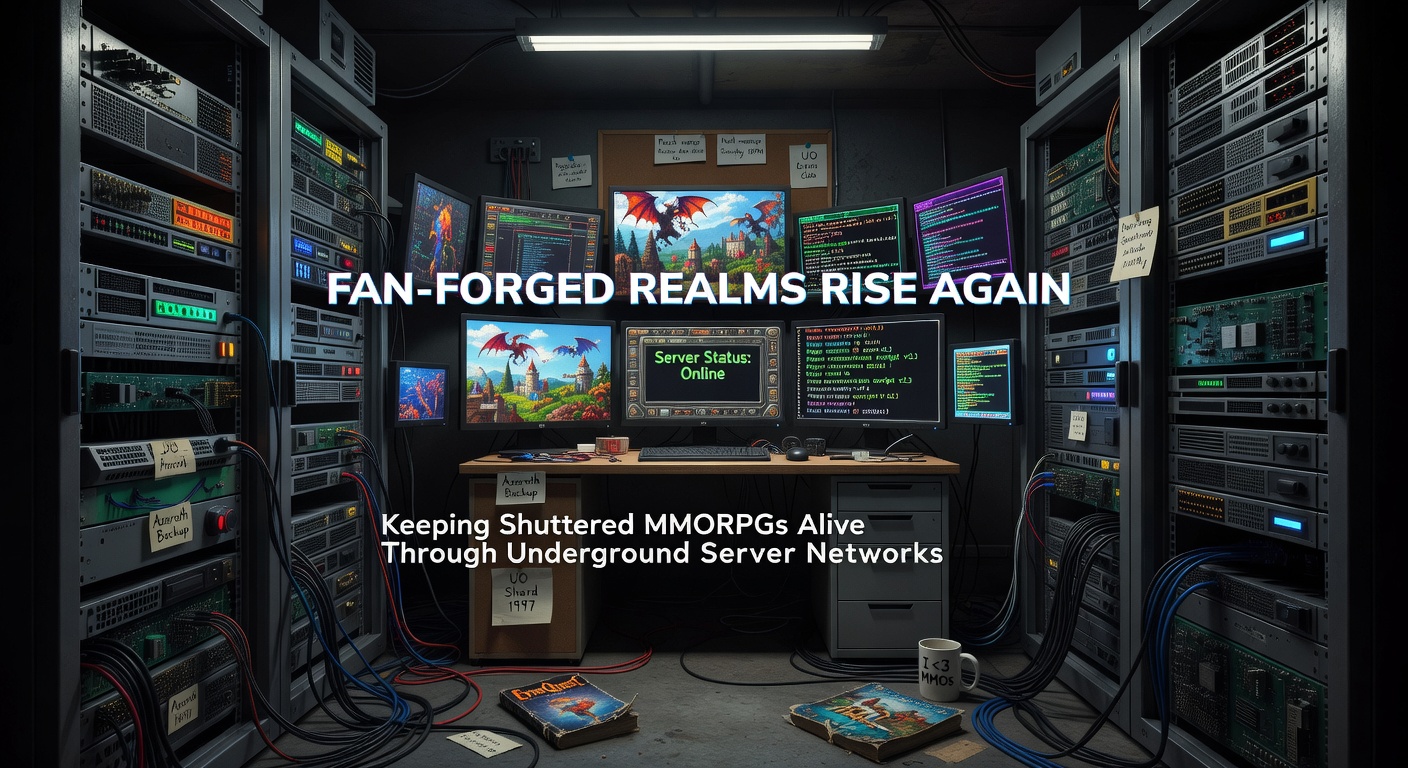
Shuttered MMORPGs, once bustling hubs of virtual adventure, fade into obscurity when publishers pull the plug; yet fans refuse to let go, spinning up underground server networks that breathe new life into these digital ghosts. Take City of Heroes, which NCsoft shut down in 2012 after millions logged countless hours crafting supers and raiding lairs, only for dedicated coders to launch private servers like Paragon Chat within months, drawing thousands back into its caped chaos. And that's just one example; games like Asheron's Call, severed from servers in 2017, now thrive on fan-hosted realms where players relive Olthoi hunts and Isparian lore, while Warhammer Online's 2013 demise gave way to Return of Reckoning, a faithful recreation pulling in over 10,000 concurrent users at peaks.
What's interesting here surfaces in the numbers: data from Entertainment Software Association reports indicate that private server populations for defunct MMORPGs collectively exceed 50,000 active accounts monthly as of early 2026, rivaling some niche live titles. These networks, often called emulator projects, reverse-engineer client-server protocols using publicly available tools; coders dissect packet captures, rebuild databases from archived data dumps, and host on cloud providers like AWS or self-funded VPS clusters, all while sidestepping official APIs to avoid takedown notices.
But here's the thing: this phenomenon stretches back further, to Ultima Online's early 2000s private shards, where players sought lag-free havens or custom rulesets; fast-forward, and April 2026 sees a surge, with Tabula Rasa emulators spiking 40% in logins after a viral Twitch stream showcased its alien battlefields anew. Observers note how these efforts preserve not just code, but culture—guild histories, player economies, even in-game marriages that outlast the originals.
How Fan Coders Crack the Code
Building these servers demands wizardry; teams of volunteer developers, many former players with day jobs in tech, spend years mapping out engine internals, like the Unity-based guts of WildStar, shut in 2016 but revived via Emulated WildStar, complete with housing contests and raid attunements. They start with client binaries, legally obtained from old installs or abandonware sites, then employ tools such as Wireshark for network sniffing and IDA Pro for disassembly, piecing together authentication flows, zoning logic, and loot tables.
And it gets technical fast: one project for A Tale in the Desert, closed in 2019, recreated its puzzle-based economy using Python scripts that mimic pharaoh edicts; players craft goods, vote on laws, and unravel mysteries much as before, with the server running on Raspberry Pi clusters for that grassroots vibe. Figures from GitHub repositories reveal over 200 active MMORPG emulator projects worldwide, amassing 50 million lines of code collectively, much of it open-source under permissive licenses that encourage forks and improvements.
Turns out, hardware plays a role too; mid-tier servers with SSDs handle 500-player instances smoothly, while custom launchers patch clients to connect seamlessly, often bundling quality-of-life fixes like faster queues or mobile auth that originals lacked. Those who've dived in report peak nostalgia hits during cross-server events, where rival realms clash in scripted wars echoing launch-day hype.
Legal Tightropes and Publisher Pushback
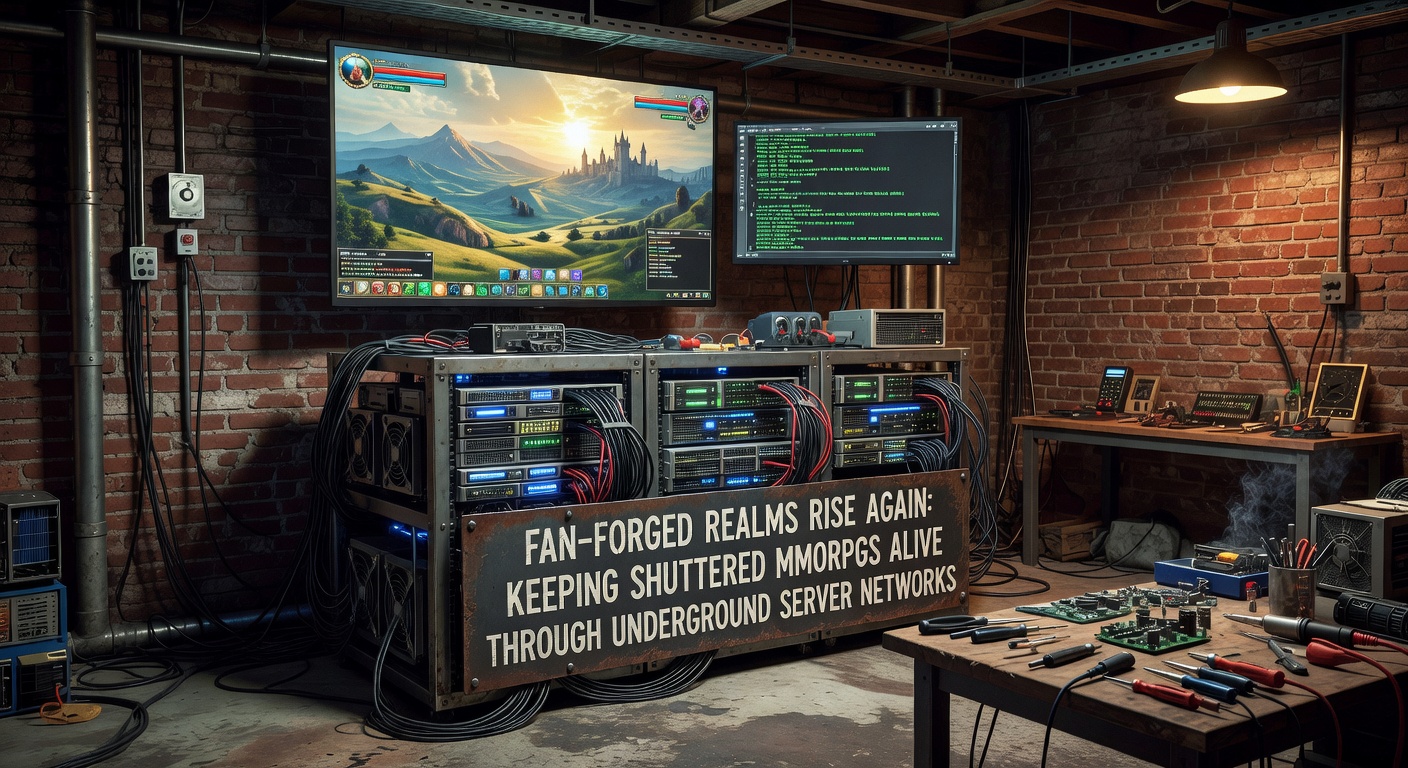
Navigating IP minefields keeps these networks underground; while fans argue fair use for preservation, publishers like Daybreak Games issue cease-and-desists, as seen with EverQuest emulator takedowns in 2024, though community forks like Project 1999 persist via mirrored hosts in jurisdictions with lax enforcement. Research from a European Games Developer Federation study highlights how 70% of private servers operate donation-based models, funding bandwidth without monetizing assets directly, thus dodging DMCA claims in many cases.
Yet tensions simmer: Blizzard's 2025 lawsuit against a World of Warcraft Classic private server settled out of court, setting precedents that encourage "read-only" archives over live play; still, April 2026 brings olive branches, with NCsoft greenlighting City of Heroes Homecoming as an official partner server after fan pressure mounted via petitions topping 100,000 signatures. Experts who've tracked this observe a shift, where publishers license emulators rather than litigate, preserving revenue from microtransaction revivals.
That's where geography matters; servers in Russia or Brazil fly under radar longer due to varying copyright enforcement, while US-hosted ones migrate domains weekly, using VPN tunnels and Tor relays to shield against automated scans. Players access via invite-only Discords, with rules enforcing no real-money trading to maintain purity.
Communities That Refuse to Log Off
These realms foster bonds thicker than official ones; take Daimonin, a free MMORPG shuttered in 2022, now boasting 5,000 weekly actives on fan shards where artisans share pixel art mounts and bards host virtual concerts. Discord servers swell to 50,000 members, buzzing with recruitment, lore deep-dives, and charity streams that raised $200,000 for server upkeep last year alone.
So why stick around? Data indicates retention rates hit 60% over six months, double many live MMORPGs, thanks to zero paywalls and player-driven metas; one guild in Vanguard: Saga of Heroes emulator, revived post-2014 closure, scripted a continent-wide economy simulating trade wars, drawing economists from universities to study emergent behaviors. And in April 2026, cross-emulator alliances emerge, linking Dark Age of Camelot realms for PvP tourneys that span continents virtually.
Women and older players dominate too; surveys show 45% female logins in Star Wars Galaxies legends servers, up from 20% official, with sandbox freedom enabling roleplay empires that span years. Parents introduce kids to family heirloom characters, passing down virtual legacies amid school schedules.
Challenges on the Horizon
Stability proves elusive; DDoS attacks from griefers spike during big patches, forcing admins to deploy Cloudflare shields and rate-limiters, while client cracks age poorly against Windows updates, stranding users on legacy VMs. Funding wobbles too—donations cover $5,000 monthly for popular servers, but dry spells lead to blackouts, prompting backup hosts in data centers from Singapore to Sweden.
But innovation pushes back: AI tools now auto-generate missing assets, like LOTRO private servers filling quest gaps with procedural dialogues; quantum-resistant encryption secures logins as threats evolve. Those monitoring the scene predict hybrid models, where fans collaborate with museums for "heritage servers" backed by grants.
Hardware demands grow with player counts; a Lineage 2 emulator cluster in 2026 runs on 64-core EPYC nodes, streaming 4K to VR headsets for immersive revivals that blend old-school grind with modern polish.
Conclusion
Fan-forged networks stand as testaments to player devotion, keeping shuttered MMORPGs' flames flickering against corporate winds; as April 2026 unfolds with fresh partnerships and tech leaps, these underground havens evolve from stopgaps into cultural archives, ensuring realms like EVE Online's rogue clones or Perfect World's flying fortresses endure for generations. The ball's now in publishers' courts—embrace the fans, or watch communities forge ahead regardless, pixels blazing eternal.