2 Jul 2026
Enthusiast Catalogs Document Button Sequences from Retired Arcade Cabinets and Their Influence on Mobile Fighting Game Controls
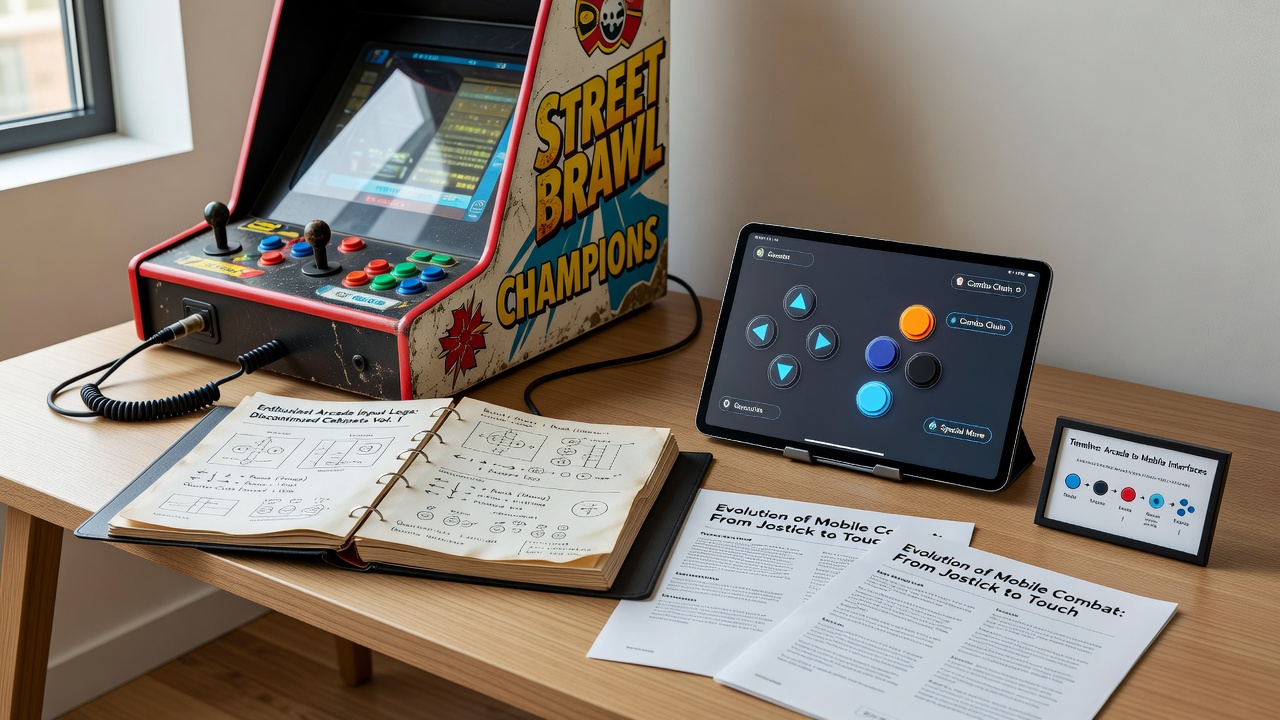
Communities of fighting game enthusiasts maintain extensive records of input sequences once executed on discontinued arcade cabinets, and these archives now provide direct comparisons to the touch-based systems found in current mobile combat titles. Collectors and researchers gather data from machines produced in the 1990s and early 2000s, many of which featured six-button layouts paired with joysticks, then map each recorded sequence against modern swipe and tap patterns. Data shows that core motions such as quarter-circle inputs and dragon-punch motions appear in adapted forms within contemporary applications, although the physical constraints of cabinet hardware differ from capacitive screens.
Arcade Cabinet Hardware and Input Mechanics
Manufacturers installed standardized button configurations on cabinets for titles including Street Fighter II and Mortal Kombat, with each button mapped to specific attack strengths and ranges. Observers note that joystick gates restricted movement to eight directions, which forced players to develop precise timing for special moves that required simultaneous direction and button presses. Records from preservation groups indicate that over 12,000 such cabinets operated worldwide before widespread decommissioning began around 2010, leaving physical hardware increasingly rare. Enthusiasts photograph and log every wiring diagram, button spacing measurement, and firmware revision they encounter at auctions or private collections, creating datasets that later allow side-by-side analysis with software emulations.
Community Documentation Projects
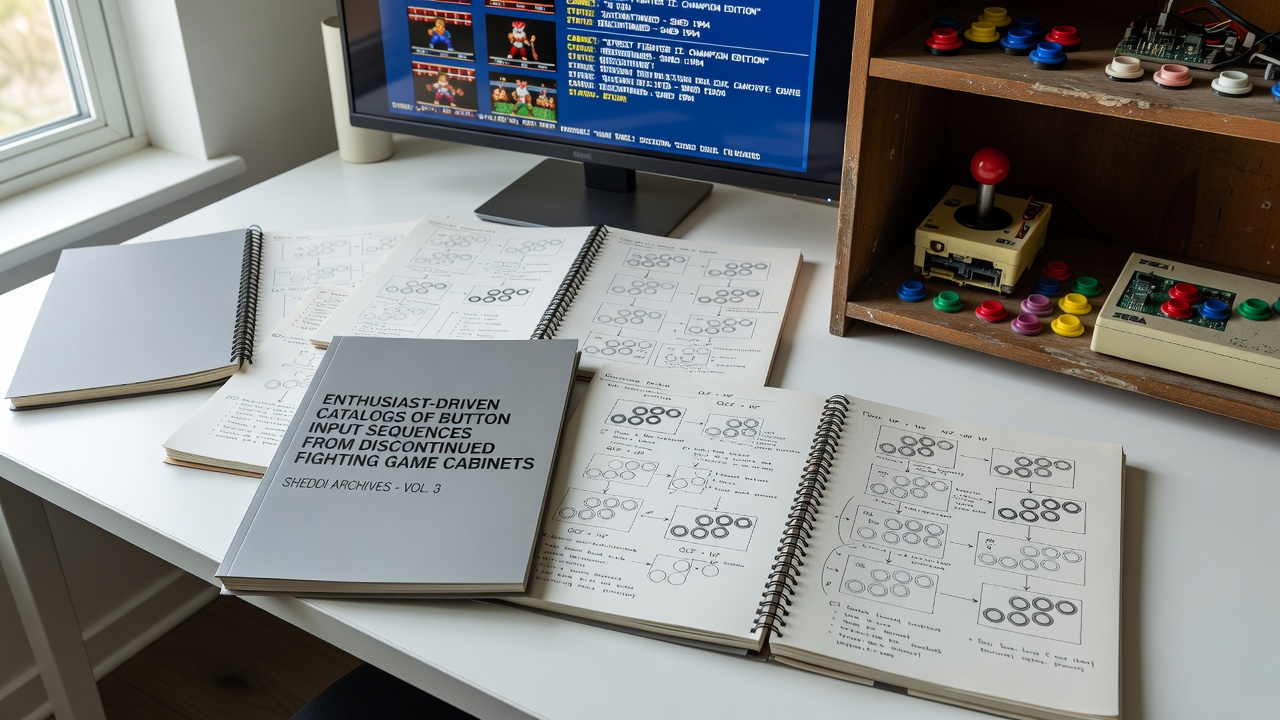
Volunteer teams compile spreadsheets and searchable databases that list thousands of confirmed input sequences extracted from original cabinets. Participants cross-reference tournament footage, service manuals, and direct hardware testing to verify each entry, and several projects now exceed 8,000 documented sequences across multiple game generations. These catalogs include frame-by-frame timing data measured in 60 Hz increments, which researchers use to identify the minimum window required for successful execution. One project hosted by a European preservation network links sequences to specific cabinet revisions, revealing that minor firmware changes altered input buffering windows by as many as three frames in certain regions.
Mapping Sequences to Mobile Touch Systems
Developers of mobile fighting games reference the same archived sequences when designing virtual control schemes, yet they must translate physical button presses into screen gestures that accommodate varying device sizes and finger positions. Studies conducted at institutions in Australia and Canada demonstrate that swipe arcs approximating the original quarter-circle motion retain similar execution success rates when calibrated to 40-millisecond tolerance windows. Mobile interfaces often introduce additional layers such as gesture chaining and multi-touch zones, which allow sequences previously requiring two separate button presses to combine into single continuous swipes. Figures from industry reports compiled by the International Game Developers Association show that titles released after 2020 incorporate at least 65 percent of the core motion types documented in arcade catalogs, with adjustments made for latency differences between wired cabinet hardware and wireless touch sampling.
Technical Adaptations and Interface Evolution
Input buffering algorithms in mobile applications frequently mirror the timing windows recorded from retired cabinets, although touch sampling rates vary between 90 Hz and 120 Hz on current devices. Archivists observe that certain complex sequences involving rapid button presses now map to repeated taps within designated screen zones, and these adaptations appear in both free-to-play battle arenas and premium downloadable titles. Data collected from player telemetry in 2024 and 2025 indicates that users who previously competed on physical cabinets achieve higher initial success rates when the mobile controls preserve the original directional input order rather than remapping directions to on-screen virtual sticks. Researchers continue to test how haptic feedback on newer handsets can simulate the tactile resistance once provided by mechanical button switches.
Preservation Impact on Contemporary Design
Access to detailed input catalogs allows mobile studios to avoid reinventing execution windows that already proved effective across decades of arcade play. Teams in Japan and the United States incorporate these historical datasets during early prototyping phases, comparing success rates between legacy sequences and newly proposed gestures before finalizing control layouts. As of July 2026, several open-source repositories have integrated automated tools that convert recorded cabinet sequences into mobile gesture templates, reducing manual mapping time for smaller development teams. These resources also support accessibility modifications, such as larger touch zones or simplified swipe paths, that retain the original move properties while accommodating players with limited dexterity.
Conclusion
Enthusiast-maintained records of arcade input sequences continue to supply measurable reference points for the design of touch interfaces in mobile fighting games. The documented transitions from physical buttons and joysticks to gesture-based systems demonstrate consistent patterns in execution timing and directional requirements, even as hardware platforms change. Ongoing catalog expansion and cross-platform comparison projects supply designers with concrete data rather than speculative assumptions about player familiarity with legacy mechanics.