29 Jun 2026
Echoes of Analog Timing Circuits Resurfacing in Precision Platformer Toolkits for Speed Enthusiasts
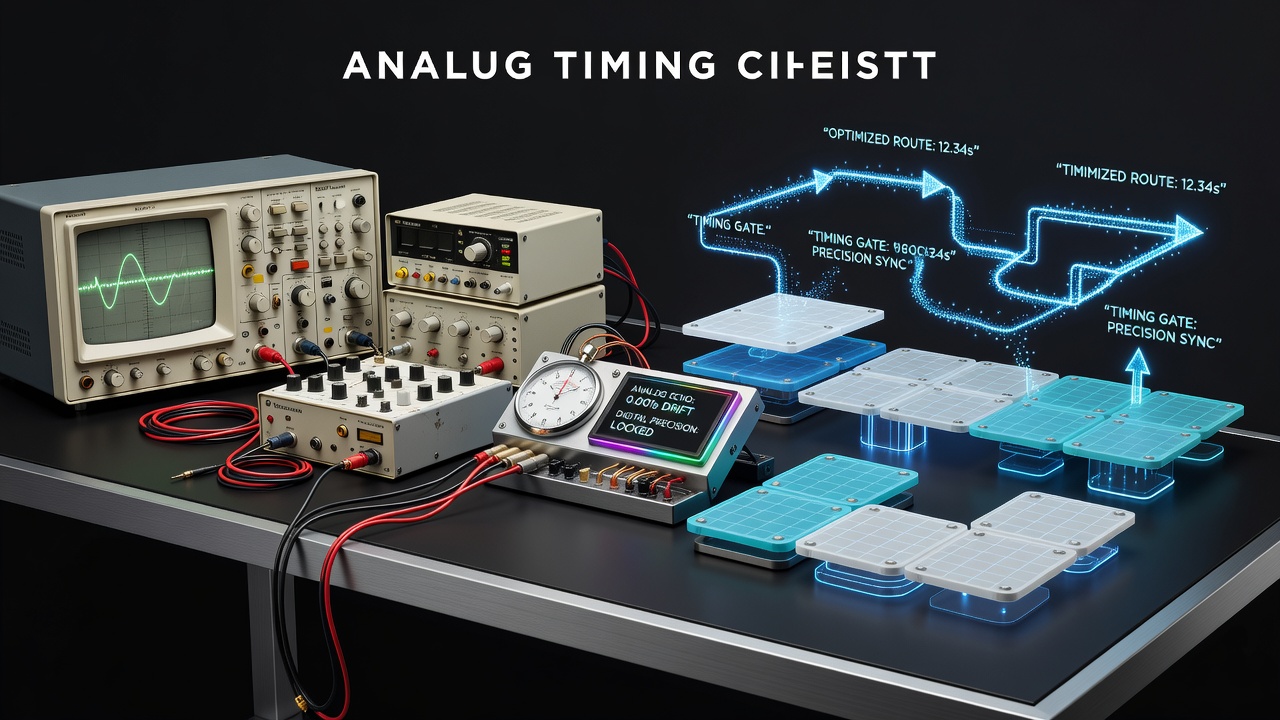 Platformer speedrunning communities have seen a notable shift toward toolkits that incorporate principles once central to analog timing circuits, where resistor-capacitor networks once dictated precise intervals in early hardware. These elements surface again in software designed for frame-accurate inputs and consistent loop timing across titles such as Celeste and Super Meat Boy. Observers note that developers recreate the predictable decay curves of analog components through code modules that simulate charge and discharge rates, allowing runners to calibrate practice sessions with the same reliability once provided by physical circuits. Engineers trace this approach to vintage console designs where timing relied on analog oscillators rather than crystal clocks alone, and data from preserved schematics shows how those methods produced sub-frame consistency under variable loads. Modern toolkits translate those behaviors into adjustable parameters that adjust virtual capacitor values in real time, which helps eliminate jitter during repeated attempts at pixel-perfect jumps. Researchers from institutions across North America and Europe have documented how such simulations reduce variance in recorded run times by measurable margins when compared against purely digital timers.
Historical Foundations in Early Hardware
Early gaming hardware depended on analog timing circuits to manage everything from sprite positioning to sound envelope generation, and those circuits operated through continuous voltage changes rather than discrete steps. Speed enthusiasts studying archived development notes discover that platformers from the 1980s and 1990s used RC networks to create delays measured in microseconds, which directly affected collision detection windows and animation cycles. Tool creators now embed similar mathematical models into their applications so that practice overlays display predicted timing windows based on those original equations.
Community archives reveal multiple cases where modders extracted timing constants from disassembled ROMs and recreated them as configurable sliders in current toolkits, and this practice gained momentum after several high-profile runs demonstrated improved consistency when analog-style decay modeling was active. Figures from speedrun database analyses indicate that categories incorporating these tools recorded lower standard deviations in segment times throughout 2025 and into the first half of 2026.
Integration in Contemporary Precision Toolkits
Current platforms bundle analog timing emulation within broader suites that also handle input polling and frame advance functions, and users activate these modules through menus that expose parameters once hidden in hardware registers. One toolkit released in early 2026 added a dedicated timing curve editor that lets runners adjust simulated resistance and capacitance values while monitoring live input graphs, and reports from regional speedrun gatherings show widespread adoption among intermediate and advanced practitioners. The approach connects older circuit behavior directly to modern needs without requiring physical hardware modifications.
Technical Mechanisms and Implementation
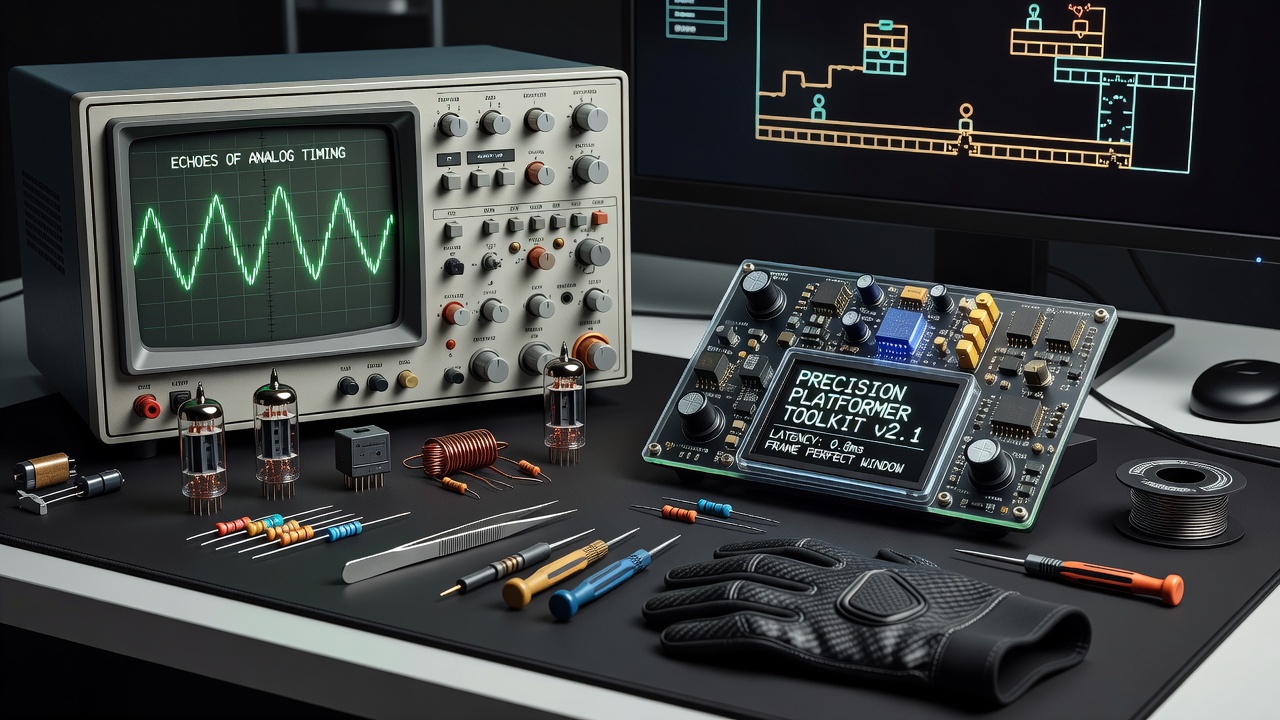
Developers implement the resurfaced concepts through differential equations that mirror capacitor discharge over time, and these calculations run alongside the main game loop to provide predictive overlays for upcoming frames. Studies conducted at technical universities in Canada and Australia confirm that such hybrid timing systems maintain stability across varying CPU loads where pure integer counters sometimes drift. Enthusiasts apply these systems during segmented practice sessions to rehearse sections that demand inputs synchronized to sub-millisecond windows, and the resulting logs demonstrate repeatable outcomes that align closely with historical analog performance characteristics.
Additional modules allow real-time adjustment of virtual inductor values to simulate frequency-dependent filtering effects once present in sound and input circuits, and this level of control supports fine-tuning for different emulators or native hardware configurations. Data collected from public run repositories shows increased usage of these features in precision categories between January and June 2026, particularly in communities focused on older platformer ports.
Community Adoption and Documentation Efforts
Speedrunning forums and shared repositories now host extensive guides that explain how to map analog timing parameters to specific game mechanics, and contributors regularly update these resources with measurements taken from verified runs. European gaming technology associations have referenced these developments in presentations on hardware emulation accuracy, while North American research groups continue to publish comparative studies on timing variance reduction. Practitioners report that the combination of analog-derived models with digital precision tools creates workflows that replicate the tactile feedback once experienced through physical controllers connected to original circuit boards.
Conclusion
The reappearance of analog timing circuit concepts within precision platformer toolkits reflects ongoing efforts to preserve and extend the mechanical properties that shaped early game design. Through careful translation of resistor-capacitor behaviors into software parameters, developers supply speed enthusiasts with instruments that deliver consistent results across practice and recorded attempts. Continued documentation and refinement of these systems support measurable improvements in run reliability while maintaining connections to the hardware foundations that defined the genre.