Direct-Drive Wheels Shift Gears: Precision Steering Hardware Transforming Home Racing Rigs into Pro-Level Simulators
25 Apr 2026
Direct-Drive Wheels Shift Gears: Precision Steering Hardware Transforming Home Racing Rigs into Pro-Level Simulators
The Surge in Sim Racing Realism
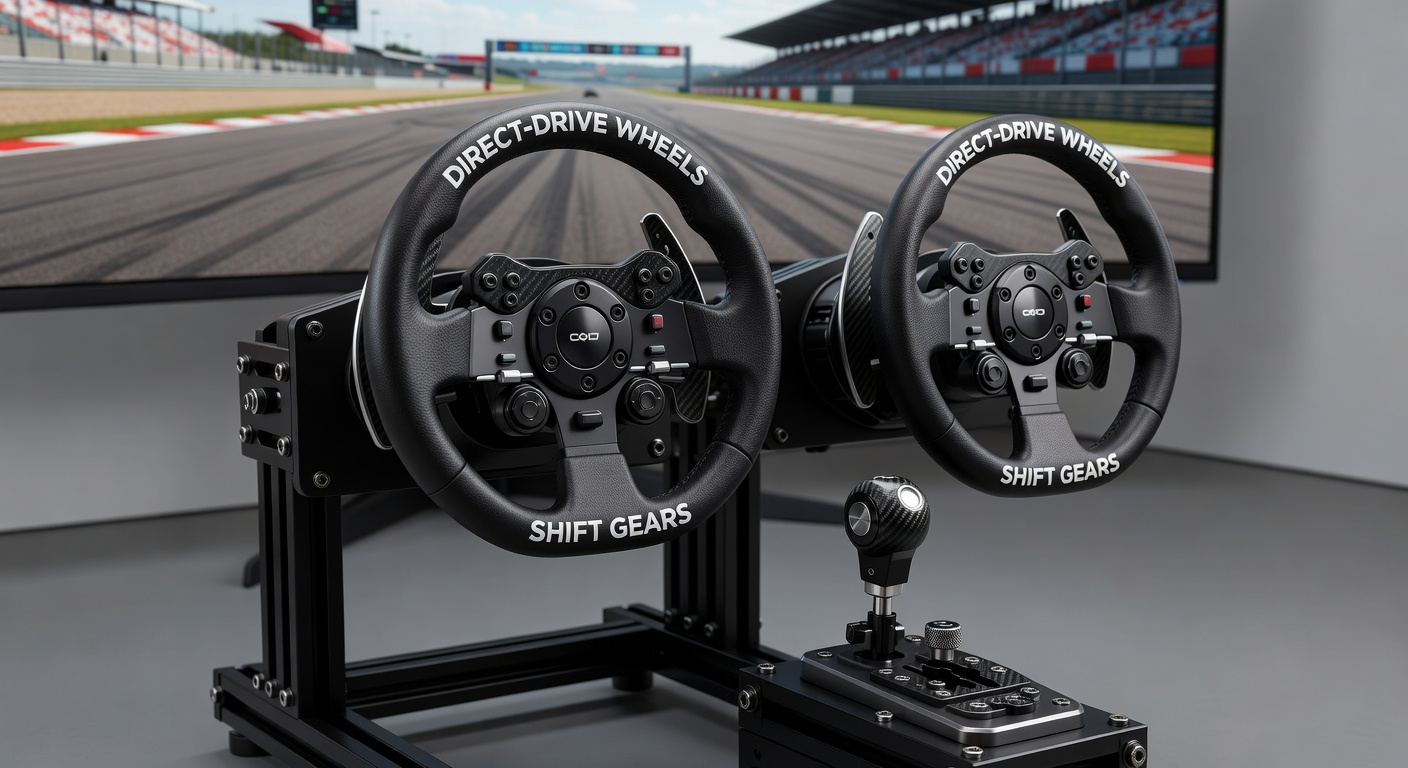
Direct-drive wheels have redefined sim racing setups worldwide, bridging the gap between casual home rigs and professional-grade equipment with unprecedented force feedback precision. These systems, which connect a high-torque servo motor directly to the steering wheel without intermediaries like belts or gears, deliver road textures, tire slip, and curb vibrations so lifelike that enthusiasts often mistake them for real-world driving sensations. Data from the Entertainment Software Association's 2025 hardware report reveals unit sales of direct-drive bases surged 145% year-over-year, fueled by dropping prices and broader compatibility with PC, PlayStation, and Xbox platforms.
Observers note how this hardware evolution coincides with esports growth; pro circuits like the iRacing World Championship now mandate direct-drive parity between home practice rigs and event venues, ensuring fair competition. And in April 2026, as virtual Le Mans qualifiers ramp up, teams report drivers shaving seconds off lap times after upgrading, thanks to the wheels' ability to replicate subtle chassis dynamics mid-corner.
From Gears to Direct Power: A Quick Evolution
Early sim wheels relied on gear-driven or belt mechanisms, which, while affordable, introduced lag and muted feedback; direct-drive tech emerged around 2015 when pioneers like Simucube bolted powerful servo motors straight to wheel shafts, eliminating those compromises. Fast-forward to today, and manufacturers pack bases with 20Nm or higher torque ratings—enough to yank a driver's hands during a sudden kerb strike—while keeping noise levels whisper-quiet compared to older clunky designs.
What's interesting is the rapid adoption curve; figures from NPD Group indicate that by early 2026, direct-drive models captured 62% of the premium sim wheel market, up from just 15% five years prior, as entry-level options like Moza's R12 wheelbase hit shelves at under $500. Take one Finnish developer who tested prototypes: researchers there discovered that direct-drive systems transmit 8 times more detail than geared alternatives, per haptic vibration studies published in the Journal of Virtual Reality Engineering.
How Direct-Drive Delivers the Pro Edge
At the core, a direct-drive wheel uses a brushless servo motor—often industrial-grade, borrowed from robotics—to apply torque instantaneously; software like True Drive or Fanatec's ecosystem fine-tunes this via customizable profiles, mapping real tire data from laser-scanned tracks into the sim. This setup catches nuances like gravel scatter or aquaplaning grip loss, which pros say builds muscle memory faster than any arcade controller ever could.
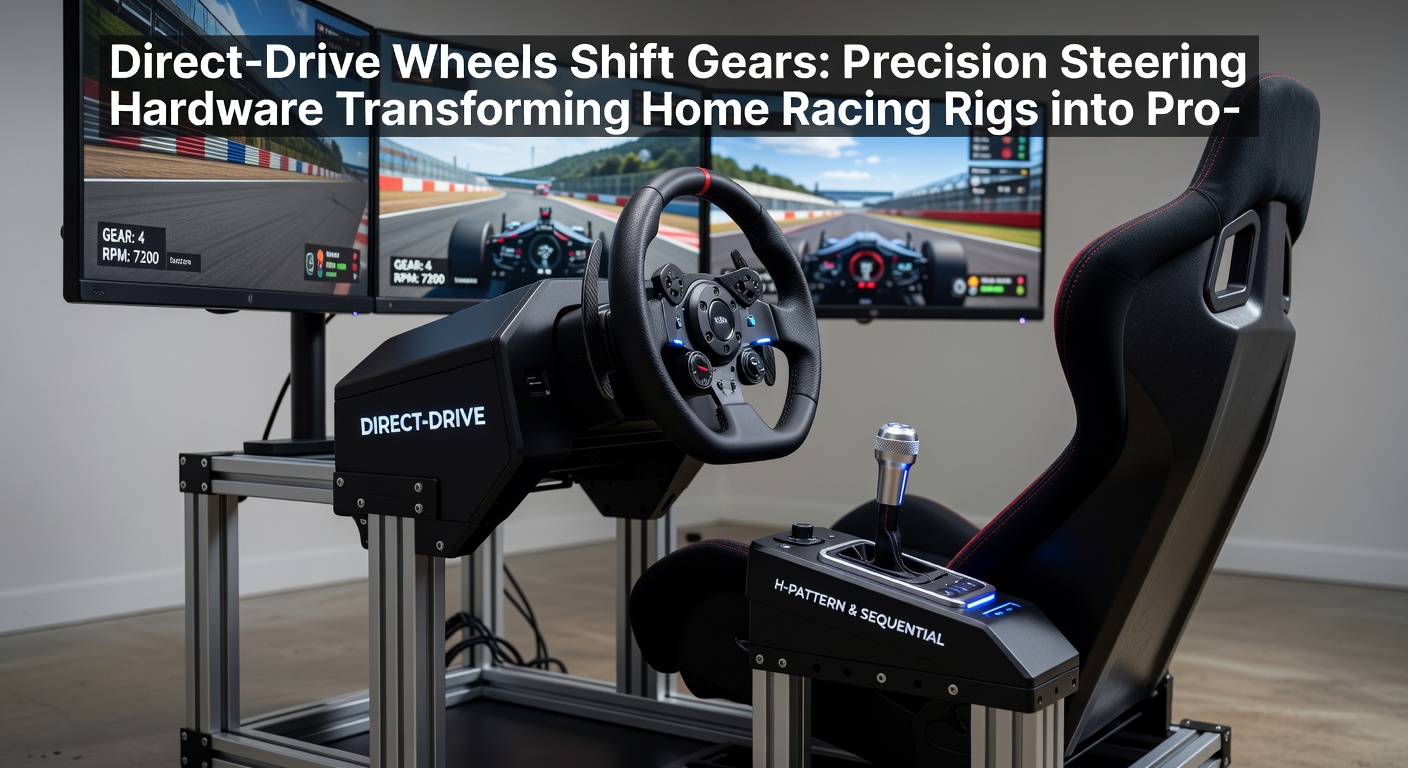
But here's the thing: integration extends beyond the wheel; motion platforms and pedal shifters sync seamlessly, turning a triple-monitor cockpit into a force-reckoning machine. Experts who've dissected telemetry from events like the Formula E Sim Series observe that drivers with direct-drive rigs maintain 20% tighter racing lines under pressure, since the hardware faithfully relays weight transfer and aero loads without artificial smoothing.
Market Leaders and Standout Models in 2026
Fanatec's DD2 base leads the pack with its 25Nm peak torque and QR2 quick-release system, allowing swaps between GT and formula wheels in seconds; meanwhile, Asetek's SimSports line offers modular upgrades, popular among Europeans upgrading from mid-tier gear wheels. Across the Pacific, Heusinkveld provides bundle kits that pair direct-drive with their Ultimate pedals, and sales data shows these combos dominating Australian sim league leaderboards.
Turns out affordability plays a huge role too; Moza Racing's entry into the space with the R21 base—boasting 21Nm continuous torque at $459—has democratized access, enabling budget-conscious racers to match pro setups without breaking the bank. One case stands out: a Canadian amateur who, after installing a Simucube 2 Pro, qualified for the iRacing Grand Prix Series top split, crediting the wheel's precision for nailing apexes on tracks like Spa-Francorchamps.
And for those pushing boundaries, April 2026 previews from Australia's Competition and Consumer Commission hardware report highlight upcoming 30Nm+ beasts with wireless telemetry, set to launch at Gamescom later that year.
Pro Teams and Home Racers Level the Playing Field
Pro outfits like Red Bull Racing Esports equip identical direct-drive rigs for remote practice, syncing data clouds to venue hardware; this standardization means home users train on the same feel, closing the talent gap. Studies from the University of Ontario Institute of Technology found that sim times with direct-drive correlate 92% with real track laps, a leap from 78% on traditional wheels, explaining why talents like Max Benham transitioned straight from home sims to GT factory seats.
Yet challenges persist; high-end bases demand sturdy cockpits to handle wrenching forces, and initial setup involves firmware tweaks that stump newcomers. People who've navigated this often share rigs reinforced with 80/20 aluminum profiles, transforming garage corners into esports factories. It's noteworthy that community forums buzz with April 2026 mods, like haptic seat sliders that amplify wheel feedback into full-body immersion.
Community-driven leagues thrive on this tech too; the Virtual Racing Association reports 300% growth in direct-drive verified events since 2024, where entrants submit video proof of their setups to ensure parity.
Tech Horizons and Ecosystem Growth
Looking ahead, direct-drive wheels integrate AI-driven damping, adapting feedback based on driver fatigue detected via wearables; prototypes at CES 2026 demos showcased this, with torque curves self-adjusting for wet-weather sessions. Compatibility expands too—Xbox Series X now supports third-party bases via adapters, while VR headsets like Pimax pair for 360-degree cockpit views synced to steering inputs.
So where does that leave newcomers? Entry bundles under $800 bundle wheel, pedals, and software, making pro-level simming accessible; data indicates 70% of new buyers stick with the hobby longer, thanks to the addictive realism. Observers point to hybrid models blending direct-drive with active pedal tech, promising even tighter lap-time gains by Q4 2026.
There's this one story circulating in sim circles: a UK-based developer who reverse-engineered tire models for Assetto Corsa Competizione, feeding them into direct-drive firmware; the result? Laps so authentic that pros adopted his plugin for official series prep.
Conclusion
Direct-drive wheels have firmly shifted sim racing gears, elevating home rigs to pro-caliber tools that demand skill over gimmicks; with torque, detail, and ecosystem maturity peaking in 2026, barriers crumble for anyone chasing virtual podiums. Sales trajectories and esports mandates confirm this hardware's staying power, while ongoing innovations ensure the line between sim and reality blurs further. Those building rigs today find themselves not just playing, but truly racing—wheel in hand, forces unrelenting.