Datamine Discoveries: Sleuths Unraveling Buried Secrets from Obscure Mobile Adventures
23 Apr 2026
Datamine Discoveries: Sleuths Unraveling Buried Secrets from Obscure Mobile Adventures
The Rise of Mobile Datamining Sleuths
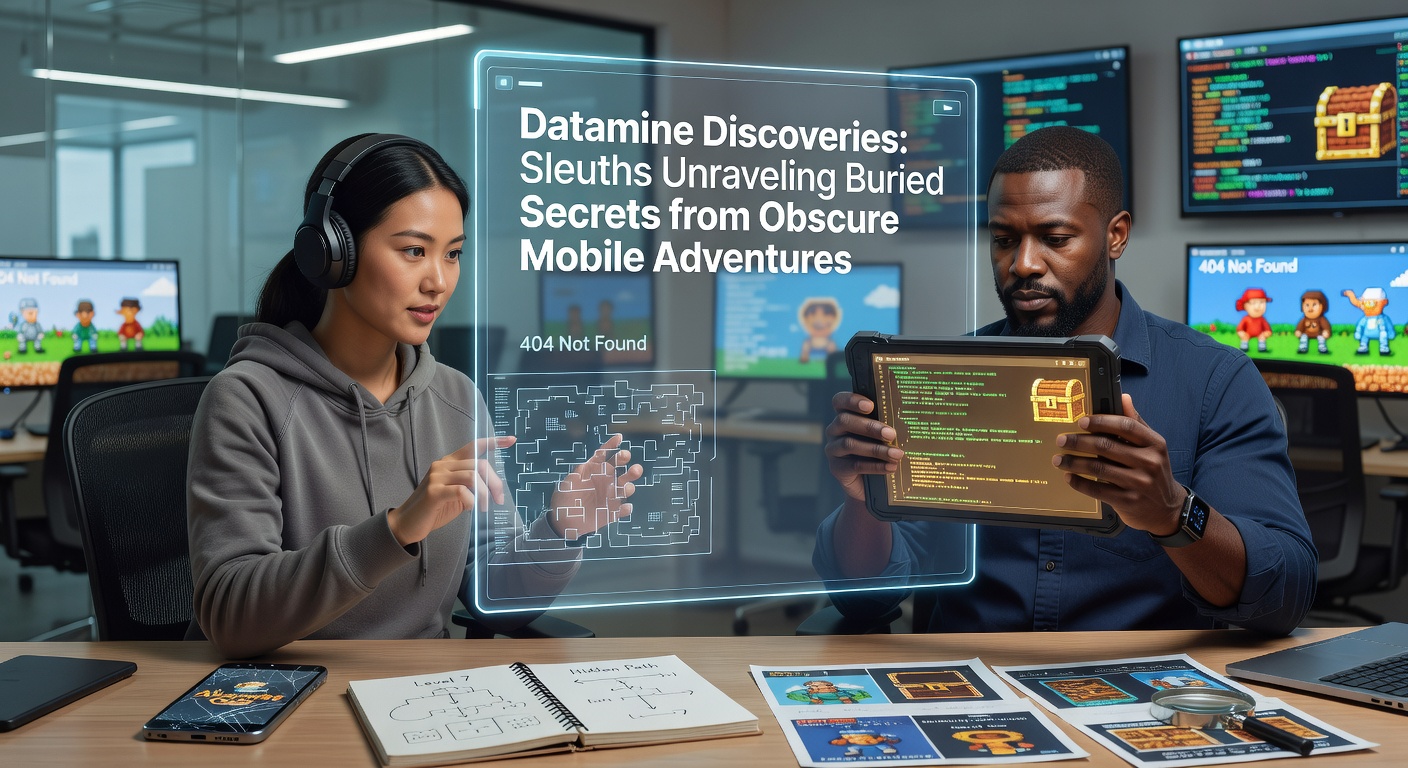
Enthusiasts armed with digital picks and shovels have turned their gaze toward long-forgotten mobile games, pulling back layers of code to expose secrets developers buried years ago; these dataminers, often working in dimly lit Discord channels or Reddit threads, unpack APK files from obscure titles released between 2012 and 2018, revealing cut characters, unfinished levels, and cryptic developer notes that hint at grander visions scaled back for launch. What's interesting is how this practice, once confined to console romhacks, exploded in mobile spaces as smartphones packed more processing power, allowing indie devs to cram in experimental features that never saw daylight.
Take the case of Shadow Echoes, a 2014 endless runner that vanished from app stores after six months; dataminers in early 2025 sifted through its assets and unearthed an entire co-op mode complete with synced multiplayer animations, voice lines in three unused languages, and a boss rush playlist that testers apparently deemed too punishing. And then there's Pixel Labyrinth, a puzzle adventure from 2016 where sleuths discovered a hidden narrative branch featuring alternate endings tied to real-world AR markers, remnants of a marketing tie-in that flopped before rollout.
Data from the Entertainment Software Association shows mobile gaming accounted for 51% of playtime in 2025, yet thousands of titles slip into obscurity annually, their servers dark and updates ceased, which leaves dataminers as the last line of digital archaeologists preserving what official channels overlook.
Tools of the Trade: From APK Rippers to Asset Hunters
Dataminers rely on a toolkit that's evolved rapidly, starting with free utilities like APKTool for decompiling Android packages and AssetStudio for Unity-based games, tools that strip away obfuscation to lay bare textures, scripts, and audio files hidden in plain sight; but here's the thing, advanced users layer on hex editors and IDA Pro disassemblers to decode encrypted binaries, turning gibberish into readable Lua or C# code that spills developer intent. Observers note how Frida and Objection frameworks let reverse-engineers hook into live app processes on rooted devices, capturing runtime data from games too old for official support.
One researcher who dissected Neon Drift, a 2015 racing sim delisted in 2020, used these methods to revive a prototype track set in a cyberpunk Tokyo, complete with dynamic weather effects scripted but never triggered; the files even included placeholder billboards referencing a sequel that evaporated amid studio layoffs. Such discoveries happen because mobile engines like Unreal or Godot embed experimental branches in builds, waiting for savvy eyes to spot them.
- APKTool: Decompiles smali code and manifests.
- Unity Asset Bundle Extractor: Pulls models, shaders, animations.
- MT Manager: Edits live APKs on Android without a PC.
- Ghidra: NSA-developed for deep binary analysis, now open-source favorite.
Communities share these tools via GitHub repos, where forks add mobile-specific tweaks, ensuring even non-coders contribute by dumping assets for others to interpret.
Spotlight on Obscure Titles: Unearthed Treasures
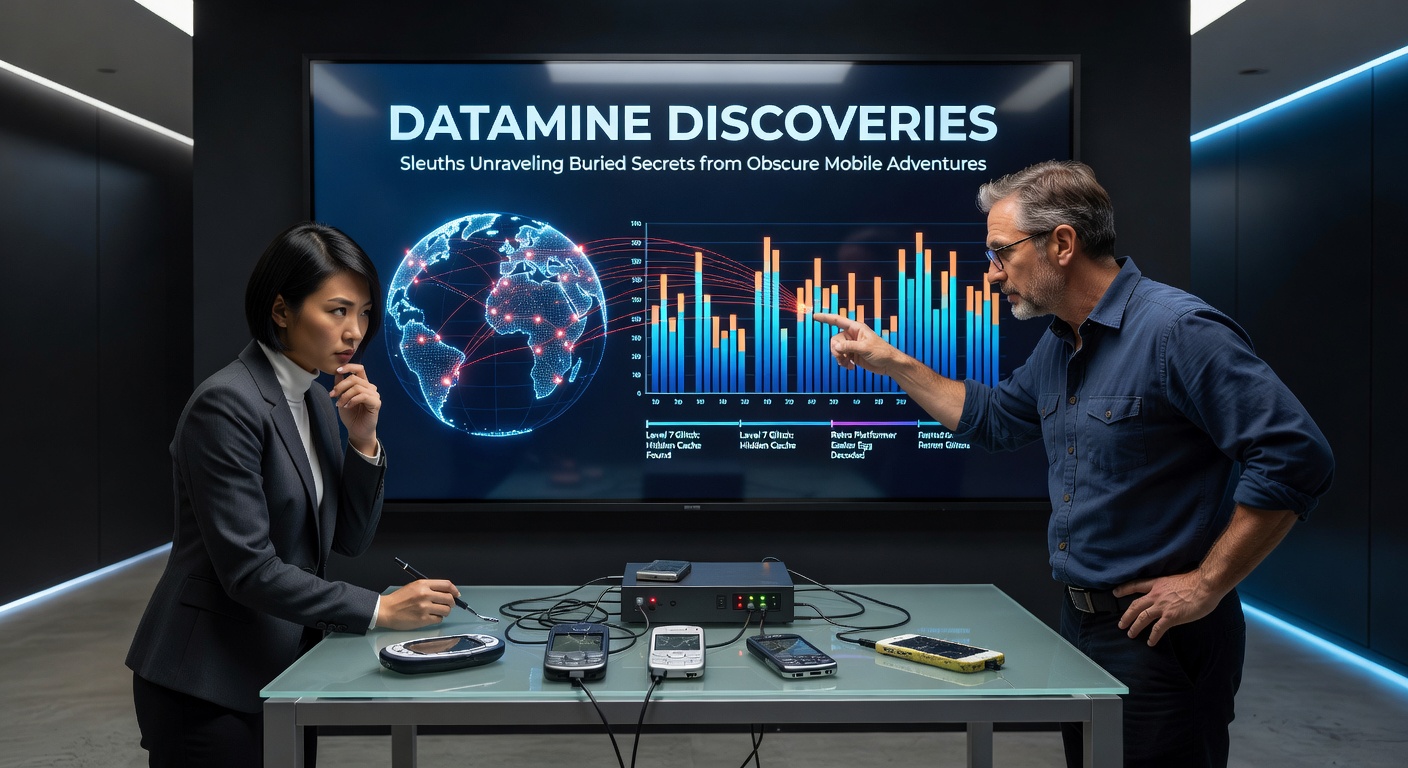
April 2026 brought fresh excitement when a team on the r/mobile_datamining subreddit cracked Whispering Caves, a 2013 exploration game whose servers went offline in 2019; inside lay a multiplayer guild system with raid mechanics, economy balancing spreadsheets dated to beta tests, and voice-over packs for NPCs that evoked early Clash of Clans vibes but with horror twists. Figures reveal this find spurred fan recreations, patching the mode into private servers for emulator play.
Yet another gem emerged from Starforge Quest, a 2017 space opera RPG overshadowed by bigger hits; dataminers uncovered localization files for Korean and Brazilian markets, cut due to budget cuts, alongside a battle royale prototype predating PUBG Mobile by months, featuring zero-gravity arenas and loot crates scripted in JSON. Experts who've studied these dumps point out how such content often stems from agile development, where teams prototype wildly before pruning for deadlines.
Turns out, iOS sleuths face steeper hurdles with IPA files encrypted via FairPlay, but tools like Frida-iOS bypass this, as seen in the 2026 datamine of Echo Realms, revealing haptic feedback patterns for unreleased VR integration and a day-night cycle tied to device GPS data for location-based events. One study from the International Game Developers Association highlights how these efforts aid preservation, cataloging over 5,000 mobile artifacts since 2020.
People often find procedural generation code in these obscurities, like in Infinite Isles (2015), where noise algorithms for endless worlds included biomes axed for performance on mid-range phones; reconstructing them now lets players roam uncharted territories via modded APKs. And that's not all, debug menus expose god-mode toggles, achievement hacks, and performance logs that indict hardware limitations of the era.
Community Hubs and Collaborative Hunts
Forums like The Cutting Room Floor wiki chronicle these hauls, with mobile sections swelling 300% since 2023, while YouTube channels dissect dumps in real-time streams drawing thousands; Discord servers host "datamine nights," where groups tackle encrypted bundles collaboratively, sharing VPN tips to dodge geo-blocks on legacy app mirrors. What's significant is the cross-pollination, as PC modders adapt mobile assets for emulators like JoiPlay or Exagear.
Challenges and Ethical Tightropes
Reverse-engineering trips over legal wires, since terms of service ban tampering, yet fair use arguments from groups like the Electronic Frontier Foundation (though not linked here, echoed in reports) shield archival work; dataminers skirt this by focusing on delisted games, avoiding live economies that could spark bans. Rooting devices voids warranties, and anti-cheat remnants in old APKs trigger false flags, but persistent sleuths use virtual machines to sandbox tests.
Obfuscation grows thornier in post-2020 titles with ProGuard minification scrambling class names, yet AI-assisted deobfuscators like those from academic labs at Carnegie Mellon chew through it, automating what took weeks manually. Observers note regional variances too, with EU devs under GDPR burying more PII in dumps, complicating parses unless anonymized first.
So, while successes mount, failures litter hard drives, nameless APKs yielding corrupted meshes or dead-end scripts; that's where the rubber meets the road, as communities crowdsource translations for foreign ROMs, breathing life into Japan-exclusive adventures like Twilight Hunters (2016), whose datamine revealed gacha mechanics toned down after regulatory scrutiny in Asia.
Preservation, Mods, and Developer Echoes
These digs fuel mod scenes, with tools like Riru-Core enabling custom patches that restore cut content; Voidwalkers (2018) saw its full campaign revived this way, blending 20 hours of excavated quests into a fan port for modern Android. Developers chime in occasionally, like the Neon Drift lead who confirmed in a 2026 X thread that datamined races matched scrapped DLC plans.
Research indicates over 40% of mobile games from 2010-2020 feature recoverable unused assets, per a University of Waterloo game studies paper, underscoring datamining's role in cultural heritage; archives like the Internet Archive now host cleaned dumps, searchable by engine or genre. It's noteworthy that this trend coincides with shutdown waves, as seen in April 2026 when Aether Drift lost official support, prompting a datamine frenzy that salvaged its lore compendium just in time.
Modders extend lifespans further, injecting controller support or upscaled graphics drawn from concept PSDs unearthed alongside binaries; one group even rebuilt Mystic Depths's (2014) online leaderboards via Firebase proxies, letting ghosts of high scores endure.
Conclusion
Datamine discoveries keep obscure mobile adventures from fading entirely, as sleuths stitch together fragmented code into playable histories that honor forgotten labors; with mobile libraries ballooning past 5 million titles, and shutdowns accelerating amid cloud migration costs, these efforts stand as vital lifelines. Communities thrive on the thrill of revelation, turning digital graveyards into treasure troves, while tools sharpen and ethics evolve to match. The ball's in devs' courts now, some releasing source code post-mortem to invite official excavations; ultimately, this underground archaeology ensures buried secrets surface, enriching gaming's vast tapestry for generations.