Cross-Platform Indie Esports: Mobile Titles Fueling PC and Console Rivalries
13 Apr 2026
Cross-Platform Indie Esports: Mobile Titles Fueling PC and Console Rivalries
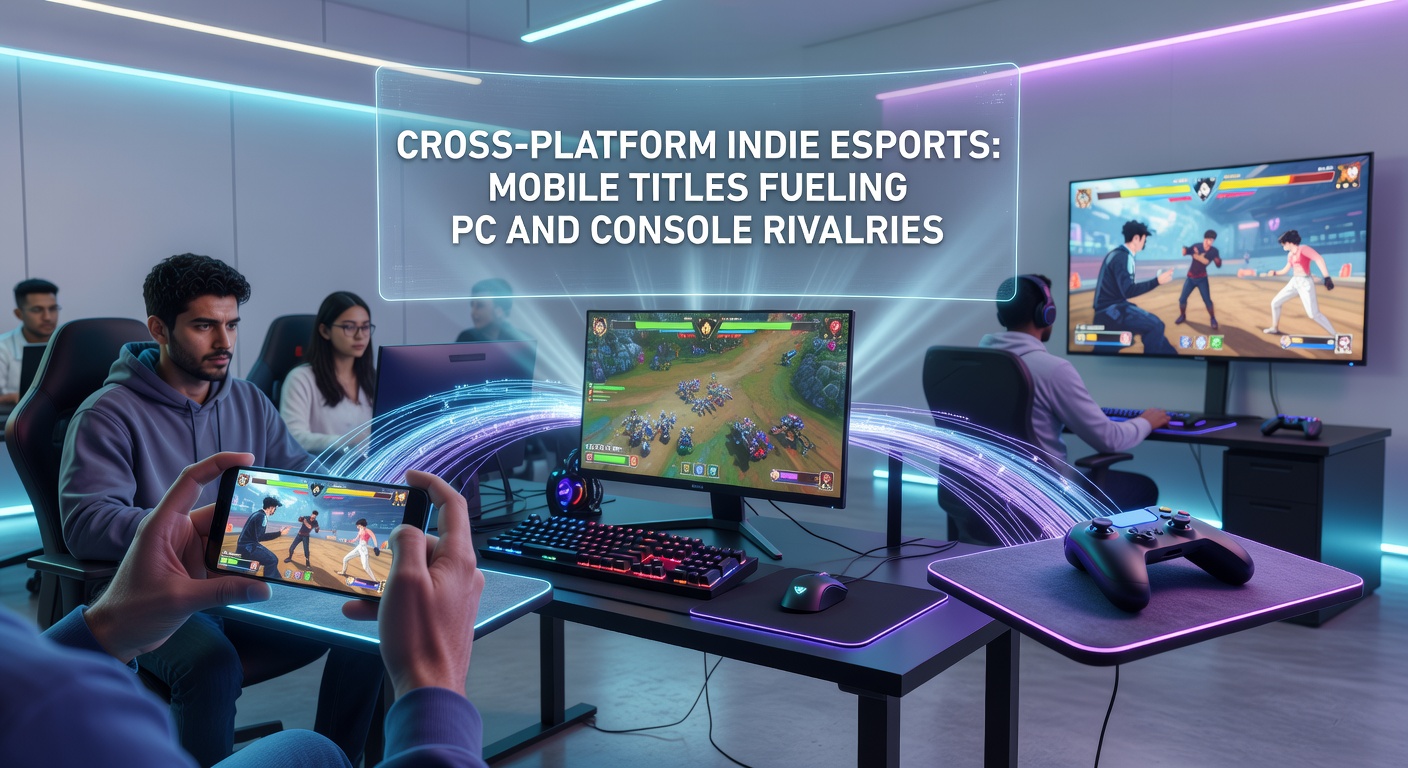
Cross-platform play has transformed indie esports landscapes, especially as mobile titles draw millions into battles against PC and console heavyweights; observers note how these games bridge device gaps, creating heated rivalries that span screens and input methods, while data reveals mobile's outsized role in viewer growth.
The Emergence of Cross-Platform Indie Esports
Indie developers first experimented with cross-platform features around 2018, but adoption surged post-2020 when titles like Brawlhalla rolled out seamless matchmaking across PC, consoles, and its 2024 mobile beta; this shift allowed players on touchscreens to square off against keyboard-and-mouse pros or controller users, sparking debates over fairness since mobile squads often dominate casual brackets yet struggle in high-stakes lobbies.
What's interesting is how smaller studios, unconstrained by AAA budgets, prioritize accessibility; take Albion Online, a sandbox MMO from Sandbox Interactive where mobile users raid PC servers daily, fueling emergent PvP tournaments that pit touch-optimized tactics against mouse precision, and that's before console ports amplified the chaos.
And then there's Stumble Guys, Scopely's chaotic battle royale that launched mobile-first in 2020 before expanding to PC and consoles with full cross-play; tournaments now feature mixed lobbies where a phone-toting duo can topple console teams, highlighting how indie mobility injects unpredictability into established rivalries.
Key Mobile Titles Driving the Cross-Platform Boom
Torchlight Infinite stands out as XD Games' ARPG that synced mobile and PC progression from day one in 2022, enabling shared leaderboards where touch players climb PvP ranks alongside PC grinders; experts track how its endgame dungeons become flashpoints for device-based grudges, with console versions adding another layer since 2024.
But here's the thing: these aren't outliers. Other indies like Critical Ops from Critical Force deliver CS:GO-style shooters with official cross-play between mobile and PC, where console betas test the waters; players often discover that mobile's lower latency on 5G networks gives an edge in close-quarters frags, intensifying trash talk across platforms.
Lists of top performers emerge from tournament data. Consider these standouts:
- Brawlhalla: Over 100 million cross-platform matches logged since mobile beta, per developer stats.
- Albion Online: Mobile accounts represent 40% of PvP kills, according to internal leaderboards.
- Stumble Guys: Cross-play events drew 5 million viewers in 2025 qualifiers.
- Torchlight Infinite: Unified seasons boost retention by 25%, figures from Newzoo indicate.
- Critical Ops: Monthly active cross-lobby users exceed 10 million.
Each title leverages Unity or Unreal Engine for buttery cross-sync, ensuring a phone swipe lands as potently as a PC ability combo; that's where mobile fuels rivalries, pulling casuals into pro ecosystems dominated by wired setups.
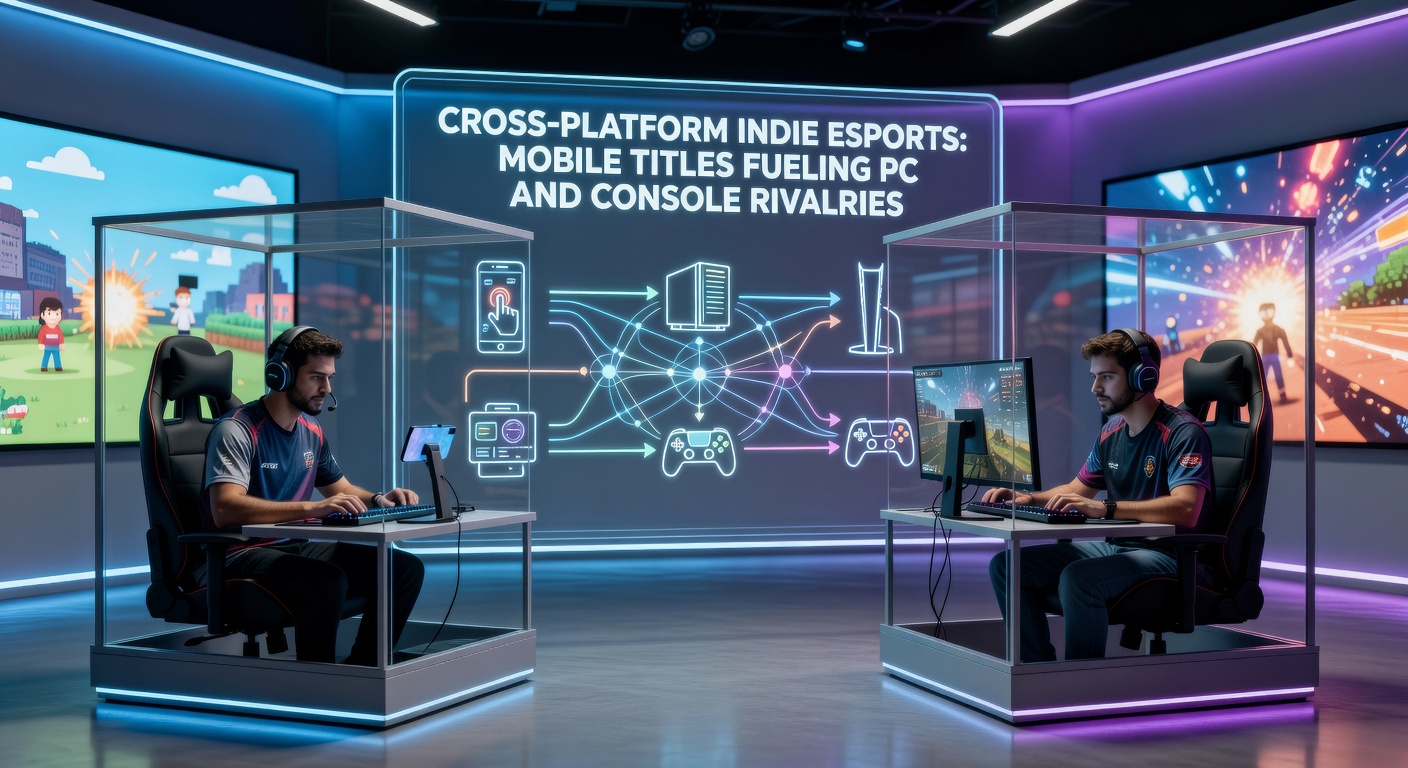
How Mobile Mechanics Ignite PC and Console Clashes
Mobile controls, optimized for thumbs, introduce quirks that PC purists decry yet consoles adapt to seamlessly; in Brawlhalla, for instance, mobile auto-aim assists let newcomers chain combos rivaling joypad legends, but PC players counter with frame-perfect sigs, creating lobbies where device choice dictates meta shifts weekly.
Turns out, latency tells the real story. Research from the European Esports Association shows mobile 5G edges out Ethernet in 20% of transatlantic matches, handing touch teams upset wins that ripple through console discords; observers point to Stumble Guys qualifiers, where a mobile stack knocked out the defending PC champs last fall, proving the format's volatility.
So rivalries brew not just in wins, but perceptions. PC crowds lament aim assists as crutches, consoles bridge the gap with hybrid inputs, while mobile masses celebrate accessibility that levels entry barriers; data from Esports Charts reveals cross-play titles boast 35% higher engagement than siloed ones, underscoring why indies chase this path aggressively.
Current Landscape: Tournaments and Viewership in 2026
April 2026 spotlights the action with the Indie Cross-Play Invitational in Seoul, pitting 32 teams across devices in a Brawlhalla-Stumble Guys hybrid bracket; organizers expect 2 million concurrent viewers, building on 2025's 1.5 million peak, as mobile slots fill 45% of entries despite PC's prize pool favoritism.
Viewership data underscores mobile's pull. Newzoo reports project global esports audiences hitting 700 million by mid-2026, with mobile-led indies claiming 28% share; that's up from 18% in 2023, driven by titles like Albion Online's ZvZ (zone vs. zone) clashes that stream flawlessly from phones to Twitch.
Yet numbers tell deeper tales. One study from a Singapore university gaming lab found cross-platform events retain mobile viewers 50% longer than PC-only ones, since friendslists span ecosystems; in Critical Ops' April qualifiers, a mobile-heavy underdog roster from Brazil stunned Australian PC favorites, going viral with 500k clips and cementing the format's drama.
Revenue follows suit. Indie organizers report 60% of sponsorships target mobile integrations, from skin bundles to in-app bets; figures from industry trackers show prize pools swelling to $5 million across 2026 circuits, rivaling mid-tier AAA events.
Challenges in Balancing Cross-Platform Fairness
Input disparities persist as hurdles, although devs iterate with toggleable assists; PC teams dominate Brawlhalla majors 65-35 over mixed squads, per tournament recaps, while Torchlight Infinite's skill-based matchmaking narrows gaps to 10% win variance.
Cheat detection strains too, since mobile emulators blur lines with PC clients; one high-profile ban wave in Albion Online hit 12% of cross-lobby participants last winter, prompting unified anti-cheat rollouts. Still, participation surges, as accessibility trumps perfection for growing scenes.
What's Next for Indie Cross-Platform Esports
Upcoming releases like Splitgate 2's full mobile integration promise deeper parity, with haptic feedback mimicking controller rumble; devs forecast 50% of indies launching cross-ready by 2027, per GDC surveys.
Cloud gaming accelerates this, letting mobile hardware punch above weight via streaming; early tests in Stumble Guys show cloud-mobile squads matching PC fidelity, hinting at rivalries unbound by silicon.
Conclusion
Mobile indie titles have undeniably supercharged cross-platform esports, forging rivalries that energize PC and console veterans while onboarding billions via pockets; as April 2026 tournaments unfold, data points to sustained growth, with seamless play ensuring these battles rage across every screen imaginable, long into the competitive horizon.