20 Aug 2026
Community Visual Aids Uncover Subtle Resource Strategies Across Long-Lived Simulation Franchises
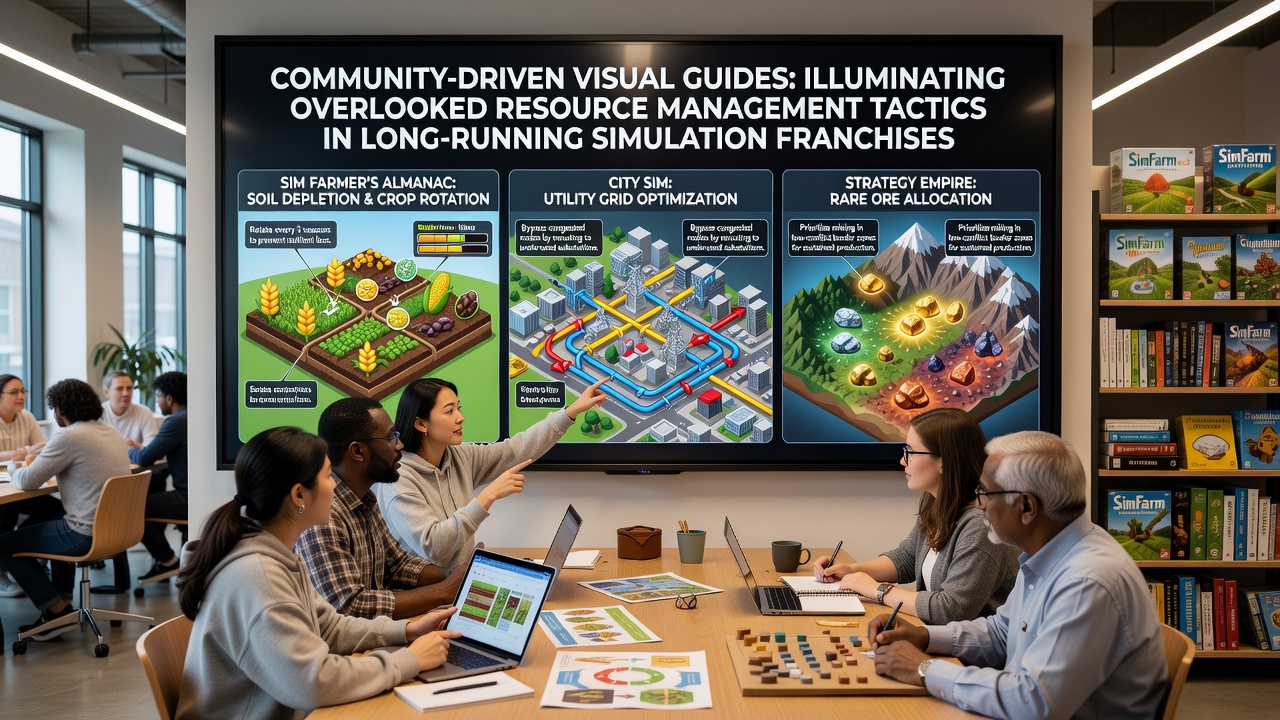
Long-running simulation franchises continue to attract dedicated player bases that produce detailed visual materials highlighting efficient yet frequently overlooked approaches to resource allocation, and these guides draw from extensive in-game experimentation compiled across forums, wikis, and video platforms.
Franchises such as The Sims, Stardew Valley, and Cities: Skylines have seen communities compile flowcharts and annotated screenshots that map out production chains, energy distributions, and inventory optimizations not explicitly detailed in official manuals, and players access these resources through centralized repositories updated regularly by volunteer contributors.
Origins of Shared Visual Documentation
Early efforts in the 2000s focused on text-based wikis for titles like The Sims 2, yet visual formats gained traction once screenshot tools and video editing software became widely available, allowing groups to illustrate timing sequences for crop rotations in Stardew Valley or zoning efficiencies in city builders, and data from the Entertainment Software Association shows sustained engagement with simulation genres across multiple hardware generations.
By 2026 these collections expanded to include layered diagrams that break down hidden multipliers in resource decay rates, and contributors often cross-reference patch notes from developers with player-submitted logs to verify accuracy before publishing updated versions.
Key Tactics Highlighted in Guides
One recurring focus involves staggered planting schedules in farming simulations that maximize seasonal yields while minimizing tool wear, and visual timelines demonstrate how spacing harvest intervals reduces overlap in labor demands during peak periods, and similar charts for The Sims series outline mood-object interactions that indirectly boost skill gains without additional expenditure.
City-building titles receive coverage through heatmaps that reveal traffic flow impacts on industrial output, and these overlays help identify underutilized road configurations that preserve budget allocations for larger infrastructure projects, and observers note that such materials frequently incorporate color-coded legends to clarify complex interdependencies at a glance.
Platforms and Distribution Methods
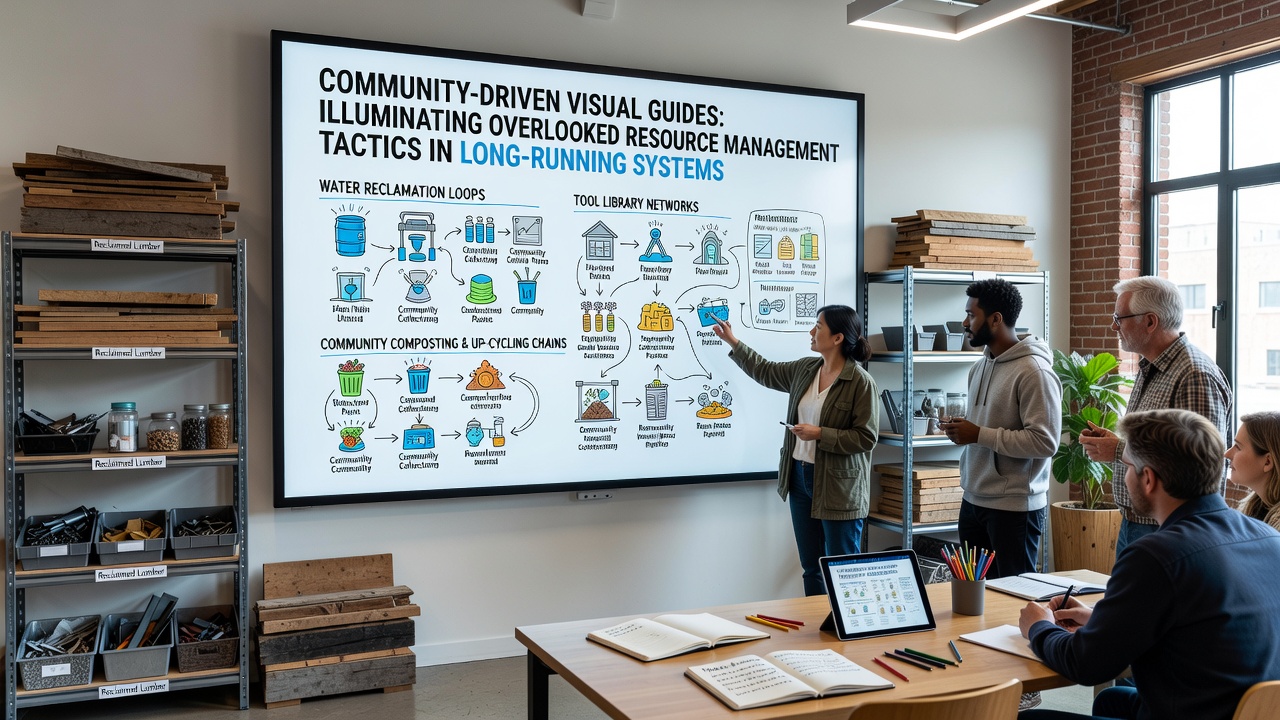
Reddit communities and dedicated Discord servers serve as primary hubs where contributors iterate on initial drafts through feedback threads, and YouTube creators translate static images into narrated walkthroughs that walk through step-by-step applications in real play sessions, and academic papers from institutions such as the University of Alberta have examined how these collaborative networks sustain knowledge transfer across generations of players.
August 2026 saw several franchises release quality-of-life patches that altered baseline resource consumption formulas, prompting rapid community responses that produced revised infographics within days, and these updates incorporated side-by-side comparisons of pre-patch and post-patch scenarios to guide adaptation strategies.
Impact on Player Retention and Skill Development
Studies from the Interactive Software Federation of Europe indicate that players who consult community visuals report longer session durations and higher completion rates for long-term goals within simulation titles, and the materials lower entry barriers for newcomers by presenting data in digestible graphic formats rather than raw spreadsheets.
Multiplayer variants within these franchises benefit as well, since shared guides standardize terminology for resource trading systems and enable coordinated group projects that would otherwise require extensive trial and error, and archived server statistics reveal measurable increases in cooperative activity following major guide releases.
Conclusion
Community-driven visual documentation continues to evolve alongside simulation franchises, supplying players with precise, tested methods for managing resources that official documentation often leaves implicit, and the collaborative process ensures ongoing refinement as new mechanics and patches emerge.