28 May 2026
Archivists Reconstruct Forgotten Quest Branching Paths in Early Browser-Based RPGs
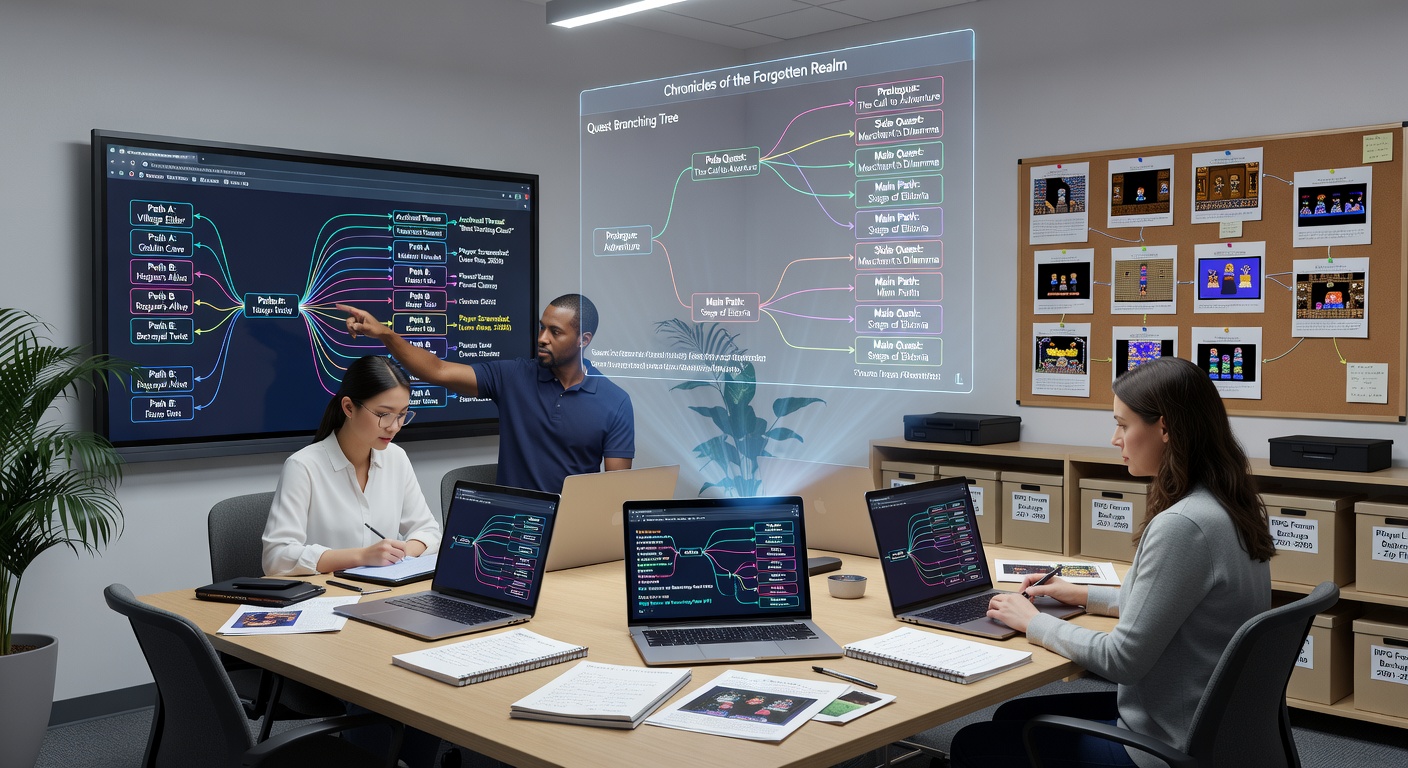
Archivists have turned to preserved forum threads and player-uploaded screenshots to map out branching quest structures in browser RPGs from the late 1990s and early 2000s, many of which vanished when servers shut down without official documentation. These efforts rely on scattered digital remnants rather than official code releases, allowing reconstruction of decision trees that once determined outcomes for thousands of players.
Projects active in May 2026 continue to focus on titles such as early versions of AdventureQuest and Forgotten Tales, where quest lines diverged based on hidden reputation checks or item combinations that servers never publicly logged. Researchers compile timelines from timestamped posts on long-defunct message boards, cross-referencing them against dated images that show inventory states or dialogue windows at key decision points.
Methods Drawn from Fragmented Sources
Forum archives provide the backbone for these mappings because players often discussed alternative routes immediately after discovering them, sometimes posting step-by-step sequences alongside screenshots that captured variable text or reward screens. One team matched a 2003 thread describing a secret alignment path in a now-defunct fantasy browser game with a set of images showing an NPC offering different dialogue options based on prior choices, confirming three distinct branches that led to mutually exclusive endings.
Screenshots serve as visual timestamps because they frequently include interface elements such as quest logs or character stats that indicate which prerequisites had been met, allowing analysts to determine order dependencies without access to original server data. Data from the Library of Congress digital preservation initiatives shows that coordinated scraping of image-hosting sites from that era has yielded over 120,000 usable files tied to browser RPG communities.
Case Examples of Reconstructed Pathways
In one documented reconstruction, archivists traced a multi-stage quest in a medieval-themed browser title where players could align with rival factions through a series of seemingly minor dialogue selections. Archived posts revealed that choosing a specific vendor interaction early in the chain unlocked an entirely separate ending sequence involving a hidden dungeon, a fact corroborated by several player images that displayed unique quest item icons absent from the main path.
Another effort examined branching diplomacy quests in a science-fiction browser RPG, where reputation thresholds determined whether players received combat support or sabotage missions. Screenshots from 2001 forum uploads showed character sheets with varying alliance meters, enabling researchers to build a decision tree that accounted for at least seven distinct endings, four of which had no surviving textual descriptions until the images were analyzed.
Technical Challenges and Verification Processes
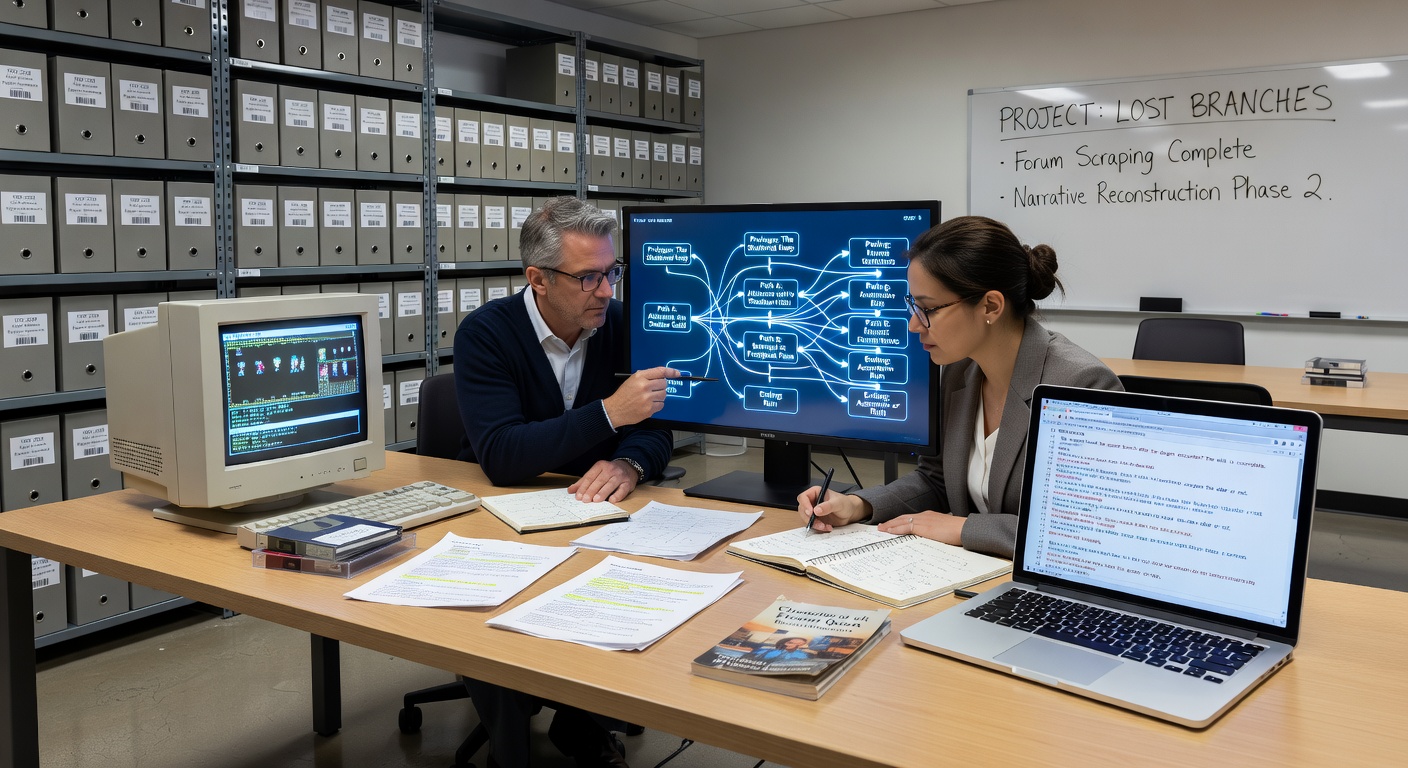
Verification requires matching visual details across multiple independent sources because single images can contain ambiguities such as cropped interfaces or edited elements. Analysts apply checksum comparisons on file metadata and cross-check dialogue phrasing against contemporaneous posts to rule out hoaxes or misremembered accounts. European Commission reports on digital cultural heritage note that collaborative platforms now host shared annotation tools that let distributed teams flag inconsistencies in real time.
Language barriers appear when communities operated in multiple languages, prompting translators to align forum posts from German and French archives with English screenshots that display universal interface elements. This process has uncovered regional quest variations that differed by server location, such as exclusive item rewards tied to localized events never mentioned in English-language threads.
Broader Preservation Impact
These mappings feed into larger digital heritage databases that allow future researchers to study player behavior patterns without relying on lost server logs. Academic studies hosted by institutions in Australia have used the resulting datasets to examine how information spread through early online communities, revealing that certain branching paths remained undiscovered by most players until months after launch.
Community-driven repositories now incorporate the reconstructed trees into interactive visualizations, letting users simulate decisions that once existed only on archived pages. Figures from preservation networks indicate that over 40 percent of documented browser RPG quests from 1998 to 2005 now have at least partial branch maps available through these combined efforts.
Conclusion
Archivists continue to expand these reconstructions as new caches of forum backups and personal screenshot collections surface, steadily filling gaps left by defunct services. The resulting maps preserve not just individual quest lines but the collective problem-solving processes of early online gaming communities, turning scattered fragments into coherent records of interactive storytelling that would otherwise remain inaccessible.