18 May 2026
Adaptive Input Innovations Reshaping Accessibility Barriers in Competitive Fighting Game Circuits
Emerging Technologies in Fighting Game Accessibility
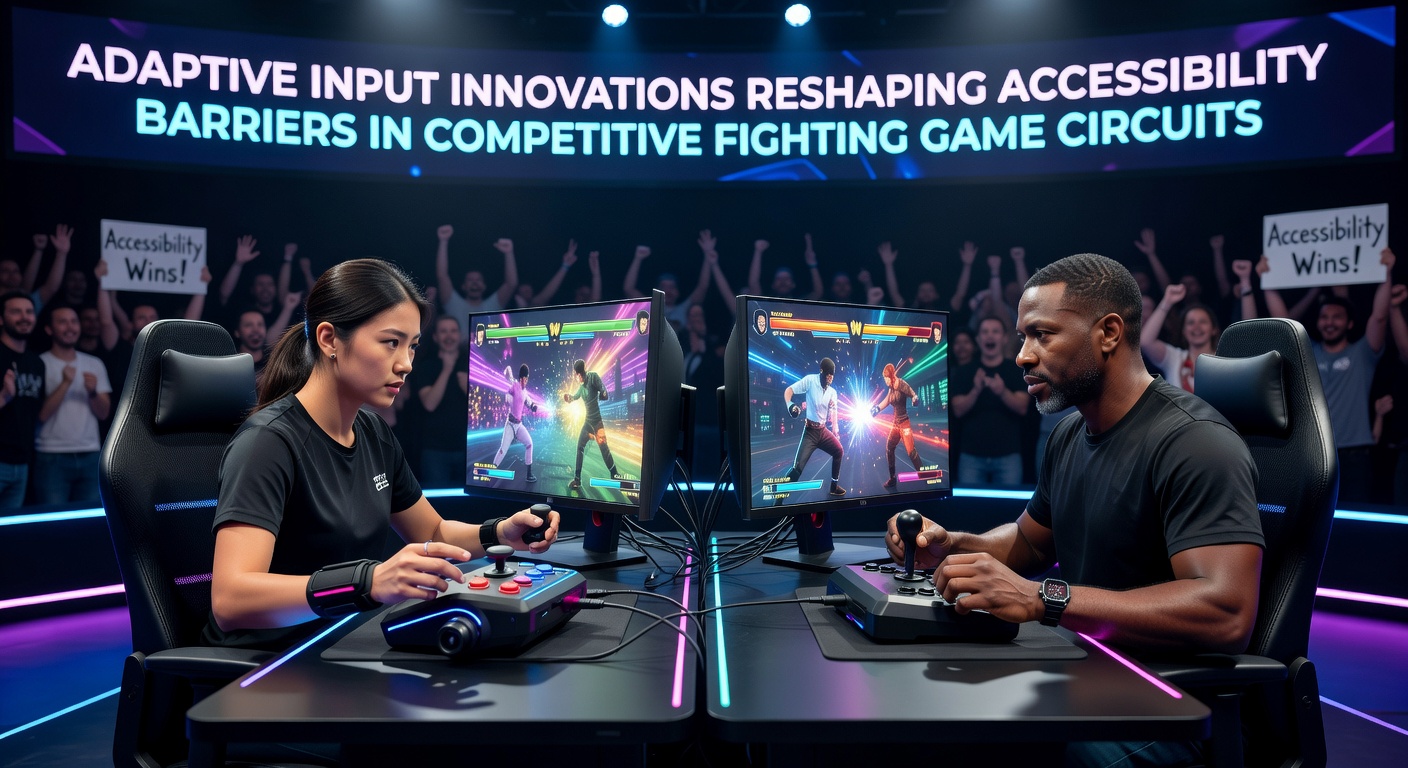
Competitive fighting game circuits have seen steady integration of adaptive input devices over recent years, allowing players with mobility limitations to compete on more equal footing, and these changes build on hardware modifications that range from modified fight sticks with fewer buttons to full eye-tracking systems that translate gaze patterns into command inputs. Researchers at several universities have documented how such tools reduce response time gaps between standard and adaptive setups, while data from industry reports shows increased registration numbers among disabled competitors in regional events leading into 2026.
One study from the University of Toronto tracked participants using specialized leverless controllers that replace traditional joysticks with button grids, and findings revealed measurable improvements in execution accuracy for individuals managing limited hand dexterity. Tournament organizers have responded by updating rulesets to explicitly permit these devices, provided they meet standardized verification protocols that prevent unfair advantages. In May 2026 several major circuits including those tied to Capcom Pro Tour qualifiers plan to host dedicated accessibility showcases where adaptive hardware undergoes live testing under official supervision.
Hardware Adaptations and Software Integration
Modern adaptive solutions combine physical hardware tweaks with software layers that handle input remapping in real time, and developers have created modular fight pads that support sip-and-puff mechanisms alongside foot pedals for players who cannot rely on upper body movement. These systems often interface directly with game engines through custom firmware that normalizes timing windows, ensuring special move execution remains consistent regardless of input method. Observers note that such integration appears in titles like Street Fighter 6 and Tekken 8, where community-driven patches and official accessibility menus allow fine-tuned adjustments without altering core gameplay balance.
Case examples include competitors who transitioned from standard arcade sticks to hybrid adaptive rigs featuring programmable macros and voice command overlays, and these setups have enabled sustained performance in high-stakes matches. Industry organizations such as the US Access Board have issued guidelines that outline testing procedures for verifying device compliance, while similar frameworks from the European Disability Forum emphasize cross-platform compatibility across console and PC environments. Data indicates that adoption rates climbed notably between 2023 and 2025, coinciding with broader esports pushes toward inclusive event structures.
Tournament Circuit Adaptations and Participation Trends
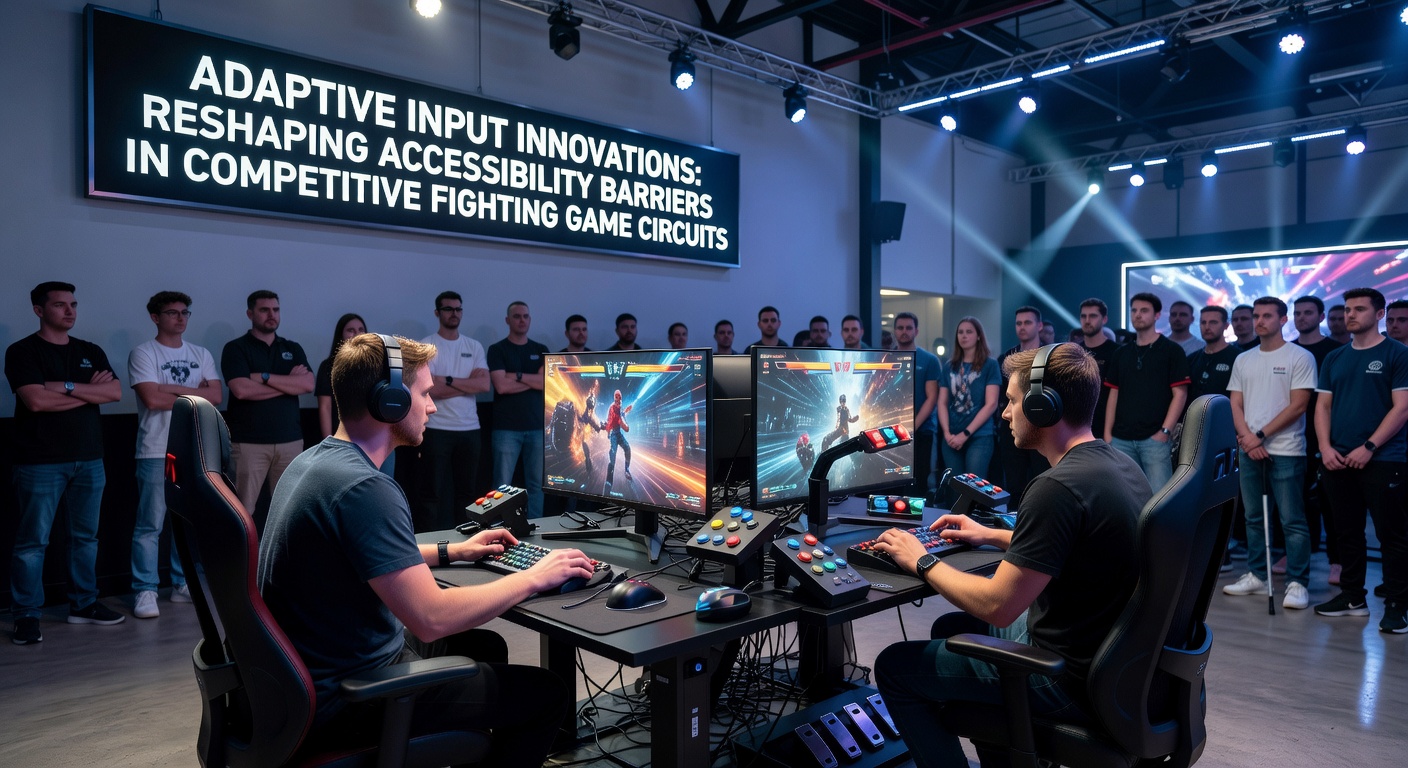
Circuits have adjusted venue layouts and bracket formats to accommodate adaptive players, incorporating longer setup times between matches and providing on-site technical support teams trained to calibrate devices quickly. Participation figures reveal a gradual rise in qualifiers featuring athletes who rely on these innovations, with several advancing to main stages at events throughout North America and Europe. What's interesting is how grassroots communities have documented successful implementations through shared repositories of controller profiles that others can replicate, speeding up the learning curve for new users entering the scene.
Regulatory influences from bodies across different regions have further shaped these developments, as Canadian accessibility standards encourage game publishers to include native support for alternative input APIs, and Australian government reports on digital inclusion highlight esports as a key area for policy attention. These efforts converge in fighting game events where verification stations now routinely inspect adaptive gear for rule adherence, maintaining competitive integrity while expanding the player pool. Evidence from multiple seasons shows that players utilizing such tools achieve win rates comparable to peers when given equivalent practice opportunities.
Future Directions in Inclusive Hardware Development
Ongoing research focuses on refining neural interface prototypes that could bypass physical inputs entirely, and early trials indicate potential for direct brain-signal translation into fighting game commands, though widespread deployment remains several years away. Manufacturers have begun collaborating with accessibility advocates to standardize connector ports and software hooks, which simplifies transitions between different tournament setups. Those who've followed these circuits closely recognize that continued investment in training programs for referees and support staff plays a central role in sustaining momentum.
Broader data collected across multiple regions points to rising sponsorship interest in adaptive categories, as brands seek to align with inclusive initiatives that resonate with wider audiences. This trend aligns with scheduled expansions in May 2026 events where organizers intend to stream dedicated adaptive divisions alongside traditional brackets, providing visibility that encourages further innovation from hardware developers.
Conclusion
Adaptive input innovations continue to alter participation patterns within competitive fighting game circuits by addressing longstanding physical barriers through targeted hardware and software solutions, and ongoing developments suggest sustained growth in inclusive practices across upcoming seasons. Figures reveal expanding player bases supported by clearer guidelines from international bodies, while community resources accelerate adoption among newcomers. These shifts reflect measured responses to documented needs, positioning fighting games as a testing ground for broader esports accessibility advancements.